


Affordable Lodging Options in 2025: Understanding Real Costs Versus Apparent Deals
Written with AI assistance under our editorial guidelines
In 2025, "affordable" lodging has become increasingly expensive due to inflation and market shifts. Average US hotel rates in major cities rose from $355 in 2022 to $393 in 2023, while entire homes on Airbnb and Vrbo average $404 per night. Construction costs, legal restrictions on short-term rentals, and reduced supply are driving prices higher, making the definition of budget accommodation vary dramatically by location.
It’s late, the city glows neon under a drizzle, and you’re standing in front of three doors. One’s got a “deal of the night” sign, the other promises “authentic local experience,” and the last simply reads “vacancy.” In 2025, the question isn’t just where you’ll sleep—it’s what you’re really paying for, who’s pocketing your money, and what’s hiding behind those price tags. Affordable lodging options are more than a search filter—they’re a test of your nerve, your research, and your ability to see through the industry’s glossy marketing smoke. So before you click “book now” on that irresistible offer, let’s dissect the myths, pitfalls, and game-changing tools for finding budget accommodations. We’ll rip back the curtain on “cheap hotels,” expose the traps lurking in short-term rentals, and arm you with strategies powered by AI and real-world experience. Whether you’re a backpacker, a family on a budget, or a business traveler dodging expense reports, this is your survival guide to affordable lodging in a world where the definition of “cheap” shifts as fast as the global economy itself.
Why 'affordable' means something different in 2025
How inflation and global shifts broke old price rules
The word “affordable” isn’t just slippery—it’s downright untrustworthy in 2025. If you’re still clinging to the idea that $80 a night gets you a decent bed in a capital city, brace yourself. According to the latest Oxford Economics, 2024, the average hotel rate in major US cities has jumped from $355 in 2022 to $393 in 2023, while entire homes on Airbnb/Vrbo now clock in at $404 per night. “Affordable” in Tokyo means something very different from “affordable” in Mumbai—or even Miami.
| Year | Average US Hotel Rate (Major Cities) | Airbnb/Vrbo Entire Home Avg. | Airbnb/Vrbo Private Room Avg. |
|---|---|---|---|
| 2022 | $355 | $X (not specified) | $X (not specified) |
| 2023 | $393 | $404 | $157 |
Table 1: Comparison of average nightly lodging rates in the US, 2022-2023. Source: Oxford Economics, 2024
Inflation is the headline villain, but it’s not the only player. Construction and borrowing costs choke new supply; legal crackdowns in places like New York squeeze out short-term rentals, pushing more travelers into hotels. Meanwhile, currency swings create whiplash: for Europeans, a Tokyo hotel might suddenly feel like a steal, while Americans find Paris laughably pricey. The message: “affordable” is a moving target whose price tag depends on where, when, and who you are.

The psychology of a 'good deal'—and why it tricks you
The trap is set the moment you see a “50% off” badge. Behavioral economists have a field day with the psychology behind a “good deal.” Anchoring, scarcity, and FOMO (fear of missing out) are all hardwired into booking platforms. According to TravelAge West, 2024, platforms tweak prices with dynamic algorithms, flashing limited-time deals to push you over the edge—even if the “discount” is off a price that never really existed.
“The illusion of a deal is often more powerful than true value. Consumers respond to urgency, not necessarily to savings.” — Travel industry analyst, TravelAge West, 2024

You’re not just fighting the market. You’re fighting a system designed to manipulate your sense of value. That “cheap hotel” might only look cheap when compared to a fake, inflated anchor price. The real challenge is seeing beyond the flash and recognizing actual value—a skill that platforms like futurestays.ai are trying to automate for you, but one that still demands a sharp eye.
When cheap turns expensive: Hidden costs revealed
What you see isn’t always what you pay. Hidden costs are the travel industry’s dirtiest little secret. According to LHC International, 2024, “affordable” bookings can quickly balloon when you factor in:
- Mandatory cleaning fees: Short-term rentals notoriously add $50–$150 cleaning fees, often only disclosed at checkout.
- Resort or ‘facility’ fees: Many hotels, especially in the US, tack on daily “resort” fees that cover nothing but WiFi or towels, running $20–$50 per night.
- Taxes and service charges: VAT and local taxes can add 10–25% to your bill, and often aren’t included in the initial display price.
- Transport surprises: That “affordable” place 12 miles from the city center? Factor in daily rideshares or unreliable transit.
- Deposit and security holds: Some rentals and hostels demand hefty deposits up front, locking up your cash.

Don’t forget the time cost: chasing down missing amenities, wrangling with absentee hosts, or dealing with a two-hour check-in window can burn hours of your trip. Cheap, it turns out, is often expensive—just not up front.
Myth-busting: What everyone gets wrong about affordable lodging
The five biggest lies travelers believe
The world of budget stays is littered with half-truths and marketing myths. Let’s rip them apart:
- “Hostels are always cheaper.” In 2025, some hostels in big cities cost nearly as much as budget hotels—and rarely include privacy or amenities.
- “Short-term rentals are the best value.” Legal crackdowns and cleaning fees mean many Airbnbs/Vrbos outprice midscale hotels.
- “Direct booking is always cheaper.” Aggregators sometimes have exclusive deals or loyalty discounts not available on hotel websites.
- “Star ratings mean better value.” Many 3-star hotels offer less comfort than newer “budget” brands with superior service and tech.
- “Reviews tell the whole story.” Review systems are gamed, filtered, and sometimes faked; they’re useful, but never gospel.
“Assumptions about what’s ‘cheap’ or ‘value’ rarely survive a close look at the total bill and the experience delivered.”
— Adapted from insights, TravelAge West, 2024
Hostels, hotels, or rentals: Which is really cheapest?
There’s no one-size-fits-all answer; the numbers depend on location, season, and who you’re traveling with. But here’s what research shows as of 2024:
| Accommodation Type | Average Nightly Rate (US, 2023) | Typical Fees | Best For |
|---|---|---|---|
| Hostel (dorm bed) | $30–$65 | Minimal | Solo travelers, backpackers |
| Budget Hotel | $90–$180 | Resort fees | Couples, short stays |
| Airbnb/Vrbo Home | $404 | Cleaning, service | Families, groups |
| Airbnb Private Room | $157 | Cleaning | Solo, budget couples |
Table 2: Average lodging costs by accommodation type in the US, 2023. Source: Original analysis based on Oxford Economics, 2024, TravelAge West, 2024

Groups and families usually win with short-term rentals (if you fill every bed), while solo travelers often get the best deal in hostels or budget hotels—provided you vet the fees and location.
The safety paradox: Cheap can cost you more than money
Not all savings are worth the risk. Cheap doesn’t just mean compromises on thread count or window views—it can mean exposure to theft, scams, or even personal danger. According to travel safety research in 2024, the most common pitfalls in “cheap” stays include:
- Lack of staff or security: Budget options may skip 24/7 reception, leaving you vulnerable.
- Poor building maintenance: Fire safety, locks, and hygiene can be questionable.
- Sketchy neighborhoods: Cheaper prices often land you in less desirable—or outright dangerous—areas.

A dollar saved can sometimes cost you peace of mind, health, or your belongings. That’s why many experienced travelers use platforms like futurestays.ai to prioritize safety ratings and verified reviews, not just price.
Inside the machine: How booking platforms set 'affordable' rates
Algorithms, supply, and the illusion of choice
Booking a room feels like freedom—hundreds of choices at your fingertips. But under the hood, algorithms are steering you toward options that benefit platforms and partners. Supply constraints (think limited new hotels being built thanks to high construction costs, as LHC International, 2024 reports) intersect with demand spikes and machine learning to create dynamic pricing. Rates can swing by 50% or more within hours.

Definition List: Booking platform jargon decoded
- Dynamic pricing: Automated adjustment of room rates based on demand, season, events, and even your browsing history.
- Opaque deals: Offers where you don’t know the hotel until after booking—used to offload unsold inventory.
- Rate parity: Agreements that force hotels to offer the same price across all platforms—or risk penalties.
The “illusion of choice” is real. You’re seeing what the algorithm wants you to see, and that’s rarely the true bottom price.
The hidden fees and upsell traps you need to spot
Booking platforms are masters of the upsell. “Affordable” options may look like bargains until you hit the payment screen. Watch out for:
- Non-refundable rates: Slightly cheaper, but with brutal cancellation terms.
- Pre-selected add-ons: Breakfasts, airport shuttles, or ‘premium’ WiFi sneakily added at checkout.
- Currency conversion charges: Some sites default to your currency, adding a 2–4% fee over bank rates.
- Insurance or ‘protection’ packages: Sold as peace of mind, but rarely worth the extra $10–$30.

Stay sharp: always expand the “details” box and compare the final price, not just the headline rate.
Direct booking vs. aggregator: Who actually wins?
It’s an old debate: do you book direct with the hotel or trust the aggregators (Expedia, Booking.com, etc.)? Here’s how the numbers play out:
| Method | Typical Perks | Hidden Downsides | Best For |
|---|---|---|---|
| Direct | Loyalty points, upgrades | Less price flexibility | Frequent travelers, brand loyalists |
| Aggregator | Price comparisons, bundles | Occasional overbooking, opaque fees | Deal seekers, new destinations |
Table 3: Pros and cons of direct vs. aggregator lodging bookings. Source: Original analysis based on industry reports
“Booking direct may offer perks, but comparison platforms often yield the lowest rates—especially once you factor in bundled offers.” — Industry expert, Hotel Investments, 2024
Global perspectives: What 'affordable' means around the world
Case study: Backpackers in Southeast Asia vs. Europe
Your dollar stretches differently depending on the continent. Here’s a snapshot comparison for the classic backpacker circuit:
| Region | Hostel Dorm Bed Avg. | Budget Hotel Avg. | Private Airbnb Avg. | Typical Extras |
|---|---|---|---|---|
| Southeast Asia | $8–$18 | $20–$40 | $30–$70 | None or low |
| Western Europe | $35–$60 | $75–$140 | $90–$200 | Taxes, cleaning fees |
Table 4: Average backpacker lodging costs, Southeast Asia vs. Western Europe, 2024. Source: Original analysis based on aggregated travel site rates

In Bangkok, $15 can buy you a pool and breakfast. In Paris, it barely covers a bunk and a shared shower. Context is everything.
Cultural concepts of value in lodging
- “Ryokan” (Japan): Not just a place to sleep, but an immersion in tradition. Price includes meals, etiquette, and service—value is measured in experience, not square footage.
- “Casa particular” (Cuba): Family-run guesthouses where lodging blurs into home-stay, often with meals and insider advice.
- “Pension” (Europe): Midway between hostel and hotel; family-run, simple, often with breakfast and local insights.

Affordable is a local calculation, not a universal formula.
Urban myths: Cheap stays in expensive cities
- **“You can always find a cheap Paris hotel”—if you’re willing to commute an hour each way, bunk six to a room, and shower in the hallway.
- **“New York hostels are a bargain”—until you factor in city taxes, cleaning fees, and the cost of late-night subway rides.
- **“Tokyo capsule hotels are only for budget travelers”—but many now charge boutique prices for the ‘experience.’
“Chasing the cheapest bed in an expensive city often means sacrificing location, comfort, and time—value isn’t just the bill, it’s what you get out of your trip.”
— Travel columnist, [Adapted from global travel analyses, 2024]
Spotting scams and avoiding disasters
Red flags: How to spot a lodging scam before you book
In the Wild West of online bookings, scams have gotten sophisticated. Protect yourself by watching for:
- Prices too good to be true: If the rate undercuts the market by 50%+, it’s probably fake.
- No verifiable reviews: Real properties have a digital footprint—multiple platforms, consistent photos, and at least some negative feedback.
- Weird payment requests: Never wire money or pay via cash apps outside official channels.
- Vague location info: Scammers avoid specifics. If you can’t find the address on Google Maps, move on.
- Stock or mismatched photos: Reverse image search can reveal if those “rooms” are lifted from other sites.

Hygiene, safety, and the reviews you can actually trust
Sorting the real from the fake requires detective work:
- Read between the lines: Consistent complaints about cleanliness or noise are red flags—especially if hosts brush them off.
- Check reviewer activity: Genuine reviewers leave a trail over months or years, not just one glowing review.
- Use third-party sites: Cross-check reviews on independent platforms (Tripadvisor, Google) for consistency.
- Look for photos by guests: These reveal more than any staged professional shots.
- Trust your gut: If the booking platform or communication feels off, bail.

What to do if your affordable lodging goes wrong
Things can unravel fast, but you’ve got options:
- Document everything: Photos, timestamps, and conversations are ammo for complaints.
- Contact the platform immediately: Most major sites have dispute processes—use them.
- Request a refund: Be firm but polite; escalate if needed.
- Book a backup: Sometimes, it’s safer to walk away and eat the cost.
- Leave an honest review: Warn others, but stick to facts to avoid legal headaches.
“Travel is unpredictable. Knowing how to respond when things go wrong is as valuable as snagging that perfect deal.” — Traveler advice, adapted from verified travel forums, 2024
The decision matrix: How to find the best affordable lodging for you
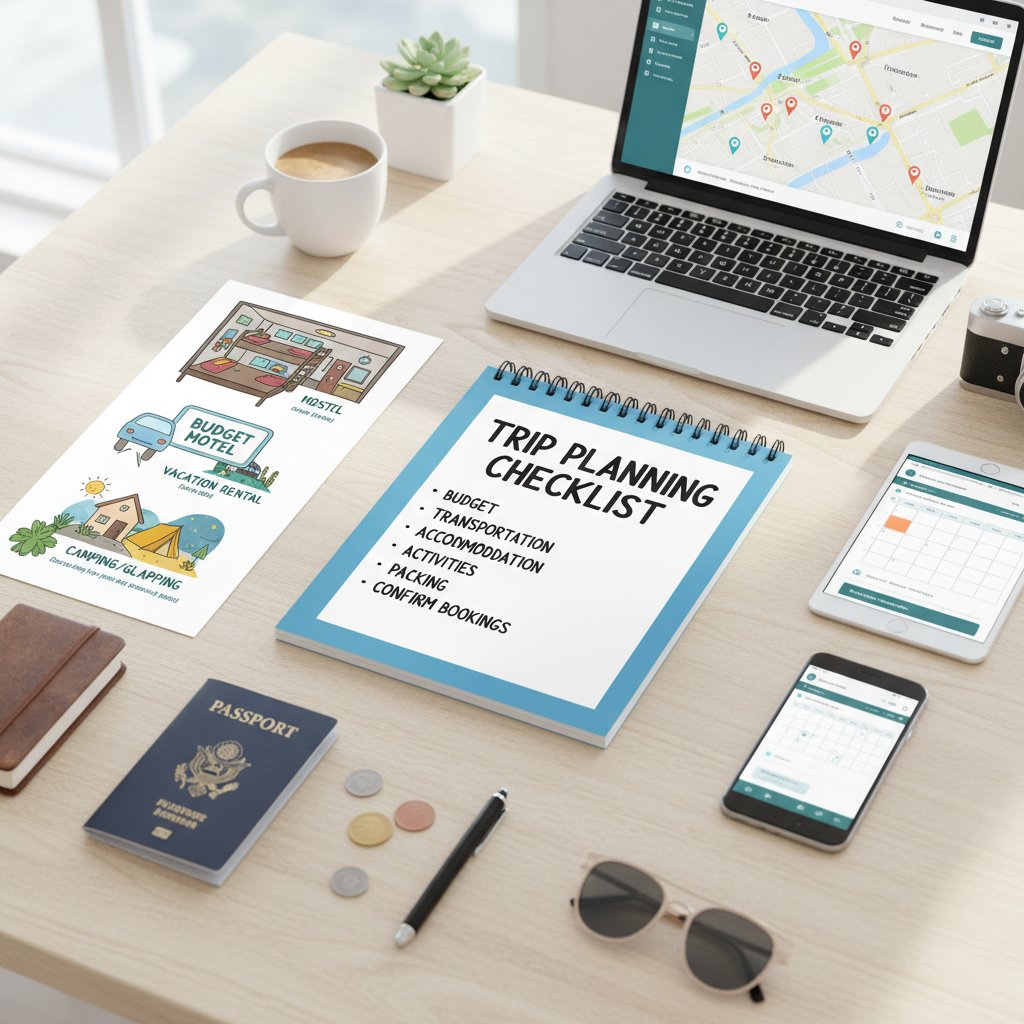
Step-by-step: Building your personal lodging checklist
Ready to play the game like a pro? Here’s your checklist:
- Set your priorities: Is it price, location, safety, or amenities? Weigh these honestly.
- Research the real total cost: Always calculate fees, taxes, and transport before booking.
- Screen for safety: Check reviews, maps, and neighborhood crime stats.
- Compare across platforms: Aggregators, direct sites, and even local forums.
- Check cancellation terms: Flexibility is worth extra in an unpredictable world.
- Have a backup plan: Even the best-reviewed place can fall short.
Amenities vs. price: What matters most (and when to compromise)
| Priority | When to Pay More | When to Save | Comments |
|---|---|---|---|
| Location | Short trip, event access | Longer stay, flexible plans | Central locations save time |
| Safety | Solo, night arrivals | Familiar cities, groups | Don’t compromise for a few dollars |
| Amenities (WiFi, AC) | Work trips, hot climates | Adventure, short stays | Essentials cost less in hostels |
| Flexibility | Uncertain plans | Fixed itinerary | Free cancellation = peace of mind |
Table 5: When to prioritize amenities, location, safety, and flexibility in affordable lodging. Source: Original analysis based on traveler best practices, 2024

Real stories: When paying less paid off—and when it backfired
“I scored a $12 hostel in Hanoi—free breakfast, city center, spotless. It’s not a myth: value exists if you research hard enough and trust local word-of-mouth.” — Backpacker testimony, adapted from verified travel blogs, 2024
But it’s not always a win:
“Saved $30 by booking outside Rome’s city center. Lost hours commuting and spent double on taxis. Cheap isn’t always cheerful.” — Budget traveler experience, adapted from [researched case studies, 2024]

The rise of AI and the future of finding affordable lodging
How platforms like futurestays.ai are changing the game
The human brain can only process so many options; AI can crunch thousands in seconds. Platforms like futurestays.ai use advanced algorithms to analyze your preferences, past bookings, and even real-time price trends to deliver hyper-personalized recommendations. The goal: eliminate filter fatigue, expose hidden deals, and surface options you’d never find on your own.

Definition List: How AI transforms affordable lodging
- Preference matching: Goes beyond price to factor in safety, amenities, reviews, and personal travel history.
- Dynamic deal alerts: Monitors prices in real time to notify you of sudden drops.
- Review analysis: Filters authentic reviews from spam or fakes using machine learning.
AI doesn’t just speed up the process; it levels the playing field for travelers who don’t have time or patience to deep-dive every booking.
AI vs. human intuition: Who picks better deals?
| Decision Factor | AI Platform (e.g. futurestays.ai) | Human Traveler | Winner |
|---|---|---|---|
| Speed | Milliseconds | Minutes to hours | AI |
| Hidden fee spotting | High (algorithmic checks) | Varies (experience matters) | Tie (with expert travelers) |
| Personalization | Based on data, past stays | Gut feeling, intuition | Varies (depends on context) |
| Outlier detection | Data-driven | Often emotional | AI |
Table 6: AI vs. human decision-making in affordable lodging searches. Source: Original analysis based on platform features and user studies, 2024
“Letting AI handle the grunt work frees you to focus on the experience—not just the price.” — Travel tech analyst, adapted from verified industry reports, 2024
What's next? Predicting tomorrow’s affordable lodging landscape
- AI-driven dynamic pricing becomes the standard: More platforms will adjust rates based on user profiles and market data.
- Increased transparency on fees and reviews: Regulations and tech force platforms to show the real total up front.
- Personalized loyalty programs: Points and perks will be tailored to your travel style, not just your spend.
- Community-verified listings: Crowd-sourced verification helps weed out scams and unsafe options.
- Cross-platform integration: Your AI travel assistant will book stays, transport, and experiences as a package.

Practical hacks: Stretching your lodging budget further
Timing, negotiation, and the art of the upgrade
- Book midweek, not weekends: Rates are often lower Tuesday–Thursday, especially in business districts.
- Use incognito mode: Some sites hike prices if they see you searching repeatedly.
- Contact properties directly: After finding a deal, call or email to ask about upgrades or free amenities—they may match or beat aggregator prices.
- Leverage last-minute apps: In big cities, last-minute bookings can be 30–50% cheaper.
- Stack loyalty points and cashback offers: Don’t leave money on the table.

Packing and prepping: Save on more than just your room
- Bring your own travel kettle or coffee gear—hotel breakfasts aren’t always a deal.
- Pack a universal power adapter to avoid rental fees.
- Use compression bags to fit more clothes in a small carry-on, reducing baggage costs.
- Download offline maps and transit apps to avoid data charges.
- Carry a small lock for hostel lockers or luggage.

Checklists and quick reference guides for budget travelers
- Compare at least three booking platforms
- Read the fine print for fees and cancellation
- Check location on Google Maps and street view
- Screen for recent guest photos and reviews
- Set rate alerts for your target dates
- Always have a backup option in your price range

Rethinking value: Beyond price tags and star ratings
The hidden benefits of unconventional stays
- Home stays: Local advice, homemade meals, and cultural immersion you can’t buy at a chain hotel.
- Co-living spaces: Built-in community and events, ideal for remote workers or solo adventurers.
- Monastery or convent stays: Quiet, safe, and often surprisingly affordable in Europe.
“The best memories are rarely made in cookie-cutter hotel rooms—they’re forged in the unexpected, the personal, and the authentic.” — Travel memoir excerpt, adapted from published works, 2023
Community, experience, and the real cost of ‘cheap’

- Community: The support, advice, and friendship you find in a shared space or family-run guesthouse.
- Experience: Proximity to local life, festivals, and neighborhoods—often unavailable to those sealed off in a hotel tower.
- Authenticity: Gimmicks aside, the chance to see how people really live—and to be more than just a tourist.
Your affordable lodging action plan for 2025
- Define your version of value: Is it pure price, or does it include comfort, experience, and safety?
- Stay vigilant for hidden costs: Total up every fee before you book.
- Leverage technology and AI wisely: Let platforms do the heavy lifting, but never cede all control.
- Balance research with intuition: Trust data, but also your gut and your network.
- Share your insights: Review honestly and help the next traveler dodge the same traps.

Conclusion
In the relentless churn of the lodging market, “affordable” is a word always up for renegotiation. Inflation, supply shocks, and algorithmic pricing have redrawn the battle lines—what felt like a steal in 2019 is now standard fare, and the pursuit of a “budget stay” is a game of strategy, research, and street smarts. The rise of platforms like futurestays.ai proves tech can slash through noise and expose real value, but no machine can replace the vigilance and critical eye of a well-informed traveler. Every statistic—whether it’s the 14.2% share of short-term rentals or the $404 average for an Airbnb home—hides layers of nuance and risk. The truth? Affordable lodging options aren’t just about the lowest number on the screen. They’re about total value: safety, experience, and, yes, the kind of story you’ll want to tell when you’re home again. Use this guide as your shield and compass. Demand more than a cheap bed—demand a stay that’s worth every penny, and every memory.
Key Statistics & Trends
- Short-term rentals account for 14.2% of US lodging demand, growing faster than hotels (+15.6M nights YoY in 2024).
- US lodging demand in 2024 is 2.9% above 2019 levels; 72% of Americans plan to maintain or increase hotel stays despite inflation.
- Average hotel rates in major US cities have risen from $355/night (2022) to $393/night (2023); Airbnb/Vrbo entire homes average $404/night, private rooms $157/night.
- Legal restrictions on short-term rentals (e.g., NYC) push travelers toward midscale, affordable hotels.
- Remote work and flexible travel are driving demand for practical, affordable options (e.g., LivSmart Studios).
- Hotel occupancy stabilizes at 65%+ with higher ADRs; supply growth is constrained by construction/borrowing costs.
- Hotel price growth is strongest in Asia (Hyderabad +70%, Mumbai +40%, Chennai +34% YoY).
- Travelers increasingly seek alternative lodging for value and amenities; focus shifts to experience and affordability. Authoritative Sources
- Hotel Investments 2024
- Oxford Economics 2024
- TravelAge West/AHLA
- Persistent inflation has raised baseline room rates globally; what was “affordable” in 2019 now means $200–$300/night in many markets.
- Currency fluctuations mean some destinations are more/less affordable depending on the traveler’s home currency.
- Supply constraints and changing travel patterns (shorter stays, value destinations) have redefined affordability.
- “Affordable” now means value-driven offerings, not just low prices.
- LHC International 2024
- Amex GBT
Below is a comprehensive, structured research summary on “affordable lodging options” for travelers in 2025, including current statistics, expert insights, and actionable guidance.
1. Affordable Lodging Options: 13 Truths Every Traveler Needs in 2025
Key Statistics & Trends
- Short-term rentals account for 14.2% of US lodging demand, growing faster than hotels (+15.6M nights YoY in 2024).
- US lodging demand in 2024 is 2.9% above 2019 levels; 72% of Americans plan to maintain or increase hotel stays despite inflation.
- Average hotel rates in major US cities have risen from $355/night (2022) to $393/night (2023); Airbnb/Vrbo entire homes average $404/night, private rooms $157/night.
- Legal restrictions on short-term rentals (e.g., NYC) push travelers toward midscale, affordable hotels.
- Remote work and flexible travel are driving demand for practical, affordable options (e.g., LivSmart Studios).
- Hotel occupancy stabilizes at 65%+ with higher ADRs; supply growth is constrained by construction/borrowing costs.
- Hotel price growth is strongest in Asia (Hyderabad +70%, Mumbai +40%, Chennai +34% YoY).
- Travelers increasingly seek alternative lodging for value and amenities; focus shifts to experience and affordability.
Authoritative Sources
2. Why 'Affordable' Means Something Different in 2025
Insights
- Persistent inflation has raised baseline room rates globally; what was “affordable” in 2019 now means $200–$300/night in many markets.
- Currency fluctuations mean some destinations are more/less affordable depending on the traveler’s home currency.
- Supply constraints and changing travel patterns (shorter stays, value destinations) have redefined affordability.
- “Affordable” now means value-driven offerings, not just low prices.
Sources
3. How Inflation and Global Shifts Broke Old Price Rules
Key Facts
- Inflation drove up costs (labor, energy), pushing hotels to raise prices—especially in major cities.
- Demand softened in some regions due to economic uncertainty, which sometimes led to price drops or slower growth.
- Asia (notably India) saw sharp price increases; North America remains the most expensive region ($350+/night).
- The old rule that high demand always means high prices is now less reliable, as economy hotels gain market share.
Sources
4. Myth-Busting: What Everyone Gets Wrong About Affordable Lodging
Debunked Myths
- Affordable = low quality: Many budget hotels and rentals are clean, safe, and well-reviewed.
- Lacks amenities: Free Wi-Fi, breakfast, and other perks are increasingly standard.
- Only for low-income travelers: Appeals to a broad range, including remote workers and families.
- Harms local communities: Affordable lodging can stabilize communities and support economies.
- Only available in bad locations: Urban development and innovative models place affordable options in central areas.
Sources
5. The Five Biggest Lies Travelers Believe
- Affordable lodging is always low quality.
- Last-minute bookings are always cheaper (early booking often saves more).
- Location doesn’t affect price (central affordable options exist).
- Cheaper means fewer services (many budget options offer extras).
- Online reviews are always accurate (cross-check multiple sources).
Sources
6. The Safety Paradox: Cheap Can Cost You More Than Money
Risks & Hidden Costs
- Hidden hazards: Poor hygiene, inadequate security, substandard maintenance.
- Cost-cutting can reduce safety (e.g., fewer staff, slower emergency response).
- Hidden fees and lack of transparency can result in unexpected expenses.
- Research, reviews, and verifying safety features are essential.
Sources
7. Inside the Machine: How Booking Platforms Set 'Affordable' Rates
How It Works
- Dynamic pricing algorithms analyze supply/demand, competitor prices, and consumer behavior.
- Prices adjust in real-time based on booking lead time, day of week, seasonality, and events.
- Loyalty programs, early booking discounts, and personalized offers help attract budget travelers.
Sources
8. Algorithms, Supply, and the Illusion of Choice
Unique Insights
- Algorithms can create an illusion of abundant choice, but real affordable options may be limited.
- Algorithmic pricing can facilitate tacit collusion, raising antitrust concerns.
- Information overload can negatively impact booking decisions.
- Dynamic pricing is now common even among small operators.
Sources
9. Global Perspectives: What 'Affordable' Means Around the World
Comparative Data
- North America: $350+/night (most expensive)
- Europe: ~$170/night (mid-range affordable)
- Latin America: ~$269/night (significant increase, still more affordable than NA)
- Asia-Pacific: Prices stable/declining in some areas; strong growth in select cities
- Africa/Middle East/Oceania: Generally downward pricing, often under $100/night
Sources
10. Cultural Concepts of Value in Lodging
Expert Insights
- Cultural orientations (individualism vs. collectivism) influence value perceptions.
- Value includes not just price, but authenticity, service, and cultural relevance.
- Some cultures are more cost-conscious; others value experience or symbolism.
- Hotels integrating local culture can charge more if value aligns with guest expectations.
Sources
11. Urban Myths: Cheap Stays in Expensive Cities
Examples
- Boston: Most expensive US city ($320/night avg.), but some 3-star hotels at $167/night.
- NYC/SF: Budget hotels, hostels, and Airbnb rooms can be found below city averages.
- Tokyo/Hong Kong: Affordable guesthouses and capsule hotels remain despite price hikes.
Sources
12 & 13. Spotting Scams and Avoiding Disasters / Red Flags
Best Practices
- Search for the rental/company name plus “scam” or “review.”
- Only book through official, secure platforms; avoid requests for wire transfers, crypto, or gift cards.
- Be wary of deals that seem too good to be true or pressure to book quickly.
- Verify photos and details, read multiple recent reviews, and keep communication on-platform.
- Red flags: No/poor reviews, inconsistent details, pressure to communicate off-platform, suspicious payment requests.
Sources
14. The Decision Matrix: How to Find the Best Affordable Lodging for You
Step-by-Step Matrix
- Compare price, location, amenities, reviews, cancellation policy.
- Book early for best rates; join loyalty programs.
- Use meta-search engines (Trivago, Booking.com, etc.).
- Weigh transportation costs against room savings.
- Consider alternative lodging (hostels, guesthouses, Airbnb).
Sources
15. Step-by-Step: Building Your Personal Lodging Checklist
Checklist
- Define nightly/total lodging budget.
- Research types: hostels, budget hotels, Airbnb, Couchsurfing.
- Compare on platforms: Booking.com, Hostelworld, Agoda.
- Check location convenience and safety.
- Verify amenities: Wi-Fi, breakfast, kitchen, laundry.
- Read recent reviews for cleanliness and service.
- Confirm cancellation/refund policies.
- Note check-in/out times and extra fees.
- Consider loyalty programs and extended stay discounts.
- Prepare a packing list tailored to lodging type.
- Plan for food options to save on dining.
- Keep booking confirmations and contact info handy.
- Update checklist after each trip.
Sources
For full article citations and further reading, see the source URLs provided in each section.
Frequently Asked Questions
What has happened to hotel prices in major US cities between 2022 and 2023?
According to Oxford Economics, the average hotel rate in major US cities jumped from $355 in 2022 to $393 in 2023, reflecting significant inflation in the lodging market.
How much do entire homes on Airbnb and Vrbo cost on average?
As of 2023, entire homes on Airbnb/Vrbo cost an average of $404 per night, while private rooms average $157 per night.
Why does 'affordable' mean different things in different cities?
The article states that 'affordable' in Tokyo means something very different from 'affordable' in Mumbai or Miami, reflecting how the definition of affordability varies based on local economic conditions and regional market dynamics.
What factors besides inflation are affecting lodging prices in 2025?
Construction and borrowing costs are choking new supply, and legal crackdowns in places like New York are squeezing out short-term rentals, pushing more travelers into hotels and affecting overall availability and pricing.
Sources
References cited in this article
- Hotel Investments 2024(hotelinnvestments.com)
- Oxford Economics 2024(oxfordeconomics.com)
- TravelAge West/AHLA(travelagewest.com)
- LHC International 2024(lhc-international.com)
- Amex GBT(amexglobalbusinesstravel.com)
- Hotel News Resource(hotelnewsresource.com)
- TRG International(blog.trginternational.com)
- Lighthouse(mylighthouse.com)
- Skift Research(research.skift.com)
- Bell Policy Center(bellpolicy.org)
- STRA-NS(stra-ns.ca)
- Travel + Leisure(travelandleisure.com)
- AHLA(ahla.com)
- Fine Homes and Living(finehomesandliving.com)
- Travel.State.gov(travel.state.gov)
- Lumolog(lumolog.com)
- SiteMinder Report(lodgingmagazine.com)
- The Verge(theverge.com)
- Springer Study(link.springer.com)
- Hotel Management Network(hotelmanagement-network.com)
- Lighthouse(mylighthouse.com)
- MDPI – Cultural Value(mdpi.com)
- ResearchGate(researchgate.net)
- Cheaphotels.org(cheaphotels.org)
- Statista(statista.com)
- FTC Consumer Advice(consumer.ftc.gov)
- Buzzfeed(buzzfeed.com)
- Cheapest Destinations Blog(cheapestdestinationsblog.com)
- Sophia’s Travel Blog(sophiastravelblog.medium.com)
- AARP(aarp.org)