


Hotel Voucher Finder Decoded: Real Deals, Scams and AI Traps
Written with AI assistance under AI accommodation finder's editorial guidelines. Editorial guidelines
Hotel voucher finders have surged 55% year-on-year since the pandemic due to rising hotel rates and economic uncertainty. These platforms attract budget travelers, business professionals, and emergency bookers seeking discounts. However, the landscape includes genuine deals alongside scams and AI-powered traps designed to exploit savvy travelers chasing savings.
If you think a hotel voucher finder is a digital golden ticket, you’re not alone—and you’re not completely wrong. In a world where travel costs are ballooning and booking platforms spin more deals than a Vegas casino, the chase for discount hotel vouchers has become an obsession, a battleground, and, for some, a minefield. The landscape is littered with glowing “exclusive deal” pop-ups, AI-powered aggregators promising savings, and, lurking in the shadows, scams waiting to turn your getaway into a cautionary tale. This isn’t just a story of snagging a cheap room; it’s about understanding the mechanics, psychology, and real stakes behind every click and code. If you want to master the art (and avoid the traps), buckle in—here’s what the hotel industry, voucher sites, and even your fellow travelers won’t tell you. Welcome to the real hotel voucher finder playbook.
Why hotel voucher finders are everywhere (and who actually wins)
The rise of voucher culture in travel
Hotel vouchers aren’t a new concept, but their meteoric rise since the pandemic is hard to overstate. As economic uncertainty crept into every sector, digital transformation surged, and the way we book a bed for the night was permanently altered. According to recent research, bookings sourced from deal platforms and voucher finders jumped 55% year-on-year in 2024—a seismic shift that points to travelers’ growing appetite for savings and flexibility. The explosion of dedicated voucher platforms like Groupon, Travelzoo, and VoucherCodes reflects a cultural pivot: we’ve become deal hunters, not just travelers. The reasons are clear—skyrocketing hotel rates (up as much as 12.2% in some areas this year), a glut of digital booking options, and, crucially, the psychological allure of “winning” a deal in uncertain times.
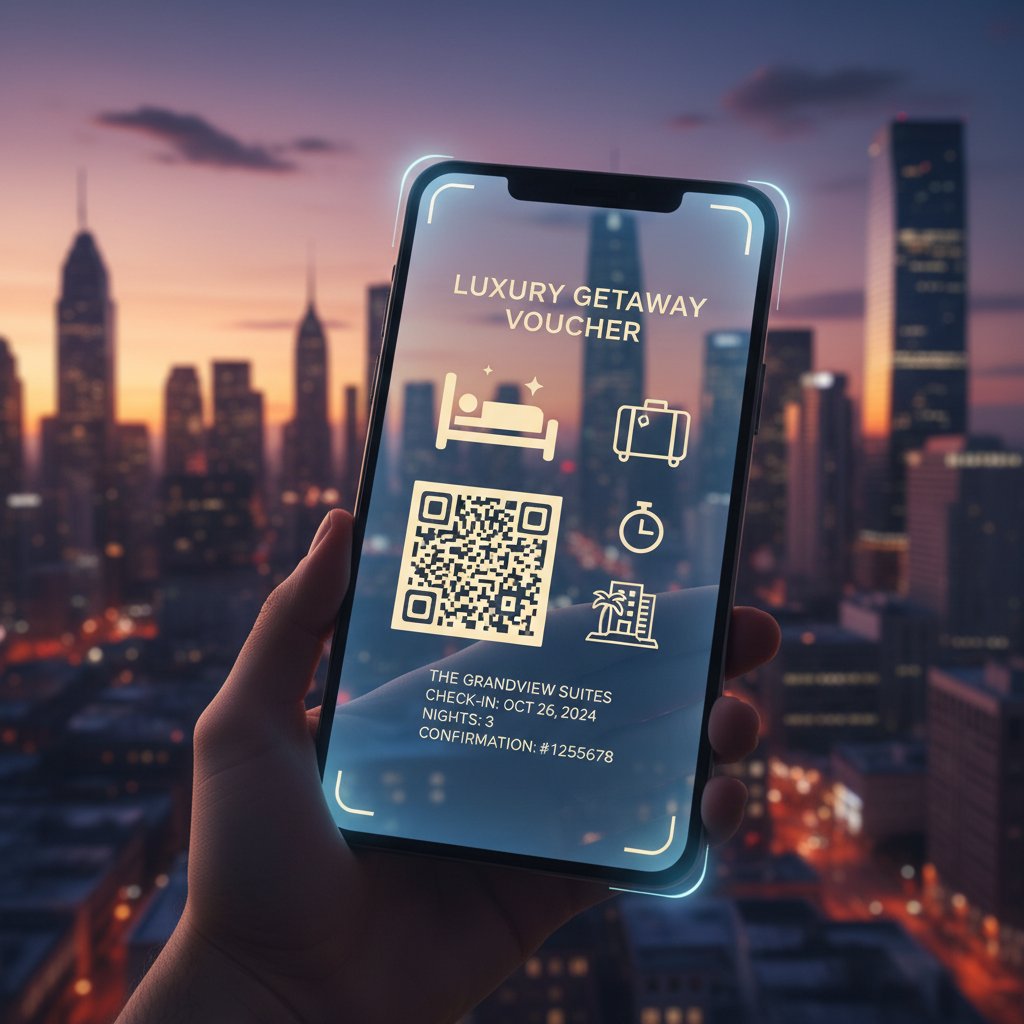
But who’s chasing these codes? The answer is as varied as the deals themselves. Budget travelers—think solo backpackers and students—lean hard on voucher finders to stretch every cent. Business travelers, facing shrinking corporate budgets, have joined the hunt, seeking comfort without blowing through expense accounts. And there’s a surge of emergency users: families marooned by flight cancellations or disasters, turning to last-minute voucher platforms for a lifeline. These aren’t fringe cases—research from Sabre Hospitality reveals that 44% of hotel customers visit a property for the first time because of a voucher or gift card. The deal culture isn’t just influencing travelers; it’s redefining how the entire hospitality sector operates.
| Traveler Type | Typical Voucher-Finding Behaviors | Common Triggers |
|---|---|---|
| Budget traveler | Scours all platforms, stacks codes, stays flexible | Finds deals off-peak, accepts non-refundable terms |
| Business traveler | Uses loyalty programs, leverages credit card perks | Needs fast, reliable results; values flexibility |
| Emergency seeker | Searches last-minute apps, values instant confirmation | Reacts to cancellations, crises, unexpected events |
Table 1: How different traveler types approach hotel voucher finders. Source: Original analysis based on Sabre Hospitality, 2024 and SiteMinder, 2024
Who actually benefits—travelers or hotels?
On the surface, it seems like the traveler always wins—a plush suite for half price, a last-minute upgrade, or a free breakfast that feels like gaming the system. But the economics tell a twistier story. For hotels, vouchers are more than just goodwill or desperation—they’re tactical. According to Cvent Blog’s analysis, vouchers help fill unsold rooms, generate buzz, and, critically, lure first-timers who might become loyalists. And here’s the kicker: 75% of voucher users overspend when they arrive, boosting the hotel’s bottom line even when the room is discounted.
But not every traveler comes out ahead. Some get crushed by blackout dates, hidden fees, or non-refundable traps. Others fall for scam sites, losing their money (and trust) for good. The real winners? Those who combine savvy research with the right tool—using platforms like futurestays.ai to cross-reference, personalize, and verify deals before hitting “book.”
“It’s a high-stakes dance—sometimes you save big, sometimes you get burned.” — Jamie, frequent traveler
Cracking the code: how hotel voucher finders really work
Behind the algorithms: tech powering voucher finders
The modern hotel voucher finder is a beast built on data and speed. At the core, most platforms are aggregators—pulling real-time prices, voucher codes, and flash sales from a tangled web of booking engines, hotel partners, and travel marketplaces. A new breed like futurestays.ai goes further, using artificial intelligence to analyze your preferences, predict price drops, and surface offers you probably wouldn’t find on your own.

So what’s the difference between a hand-curated list of “deals” and the AI juggernaut scraping the web at warp speed? Human-curated deals usually favor visibility over value—sites spotlight sponsored offers or those with the highest affiliate kickbacks. AI-based voucher finders use machine learning to personalize results, scan for hidden stacking opportunities, and adapt to shifting inventory in real time. It’s automation with an edge—but only if the underlying data is legit.
Are all hotel voucher finders legit?
Absolutely not. The spectrum runs from household-name aggregators to basement-level scam operations. While big names like Travelzoo or Booking.com (when verified) have reputations to protect, fly-by-night “voucher” sites prey on urgency, inexperience, and, yes, greed. According to watchdogs, the recent surge in demand has been matched by a spike in voucher-related fraud complaints—think cloned sites, fake codes, and aggressive phishing.
Red flags to watch out for when using a hotel voucher finder:
- Promises of “100% guaranteed” savings with no fine print (actual deals always have terms).
- Requests for payment outside of secure, well-known platforms.
- No verifiable contact information or company credentials.
- Poorly written websites with inconsistent branding and grammar errors.
- Unsolicited emails or pop-ups pushing “exclusive” voucher codes.
- Lack of user reviews or negative reviews buried in search results.
- No HTTPS encryption (the padlock icon in your browser).
- Pressure tactics—countdown timers, fake “limited supply” warnings.
To verify if a platform is trustworthy:
- Check for secure site protocols (HTTPS).
- Look for third-party verification (Trustpilot reviews, BBB accreditation).
- Verify deals on the hotel’s official site or via reputable aggregators.
- Use AI-driven platforms that source from legitimate partners.
- Never hand over personal or payment info unless you’re sure.
The psychology of the deal: why we chase hotel vouchers
Deal-seeking as a travel ritual
There’s a reason a “voucher applied” notification feels like a little dopamine hit: deal-hunting is wired into our brains. According to psychological studies, the thrill of chasing hotel vouchers taps the same reward circuits as couponing, gambling, and even video games. It’s not just about saving money—it’s about the validation of outsmarting the system, especially in an environment where hotel prices seem untethered from reality.
Voucher hunting has evolved into a ritual, especially among frequent travelers. Just as loyalty programs hook you with points, voucher sites addict you to the next “win.” The more you score—an upgrade here, an off-season steal there—the more you crave that rush. Social media has amplified this, with influencers showcasing their hacks and everyday users sharing screenshots of their best finds.

When voucher hunting goes wrong
But the chase isn’t always triumphant. Consider the story of Alex, who found a too-good-to-be-true voucher on a sketchy site after his flight was canceled. Payment processed, confirmation email received—only to arrive at the hotel and find there was no reservation, no record, no recourse. It’s a story echoed in hundreds of recent complaints.
5 warning signs you’re falling for a hotel voucher scam:
- The site asks for payment by bank transfer or cryptocurrency only—credit card protection is absent.
- The voucher code is generic (“WELCOME10”) but promises deep, site-wide discounts.
- The site has no clear refund or cancellation policy.
- You can’t find any credible reviews—just suspicious testimonials or none at all.
- The voucher can’t be validated with the hotel or any recognized aggregator.
Deal disappointment isn’t just financial. According to behavioral economists, falling for a scam erodes trust in travel brands and makes users more risk-averse, dampening future adventures.
AI and the new era of hotel voucher finders
How artificial intelligence is changing the game
Artificial intelligence is no longer a buzzword—it’s the backbone of the smartest hotel voucher finders. Platforms like futurestays.ai are personalizing recommendations at scale, analyzing oceans of data to spot price drops, predict room availability, and even flag exclusive vouchers tied to user behavior. The advantage? Humans miss patterns; AI doesn’t. Sophisticated algorithms match not just price but personal preferences—location, amenities, even past travel styles—to surface hotel voucher codes that actually fit your life.

AI is also streamlining the process, integrating flash sales, loyalty program perks, and bundled experiences (think spa or dining vouchers) without the user ever needing to open a dozen tabs. The result: less FOMO, more ROI.
Will humans outsmart the machines?
There’s a stubborn belief among deal hunters that human intuition still trumps the algorithm—especially when it comes to sniffing out those “hidden gems.” The debate is real: AI offers speed, scale, and data-driven accuracy, but it can’t always replicate the gut instinct of a seasoned traveler spotting a pattern or negotiating directly with a hotel manager.
“AI never sleeps, but it can’t spot a hidden gem like I can.” — Taylor, veteran deal hunter
| Criteria | AI-based Voucher Finders | Traditional (Human) Finders |
|---|---|---|
| Speed | Instantaneous | Slower, manual searches |
| Accuracy | High, with up-to-date data | Depends on experience |
| Deal Quality | Often higher due to personalization | Varies widely |
| Trust | Relies on source transparency | Relies on personal judgement |
Table 2: AI vs. Traditional voucher finders—strengths and weaknesses. Source: Original analysis based on Sabre Hospitality, 2024 and user interviews.
Debunking myths: hotel vouchers, scams, and realities
Common myths about hotel voucher finders
Voucher culture is fertile ground for myths—some perpetuated by the industry, some by burned users. Here’s what’s real, and what’s just smoke:
Reality: Most codes are region- or hotel-specific, often with blackout dates or hidden exclusions.
In fact, the majority are designed for everyday travelers or as marketing tools to fill slow periods.
While fraud exists, many platforms are reputable and even partner directly with hotels.
Not always—advance bookings sometimes yield deeper discounts.
Many hotel loyalty programs now recognize voucher-based bookings for points accrual.
There’s almost always fine print—expect restrictions, fees, or marketing opt-ins.
Some sites have exclusive partnerships or use proprietary algorithms—comparison is key.

These myths persist because the voucher ecosystem is intentionally opaque—complex terms, fluctuating inventory, and ever-changing platforms keep both novices and pros guessing.
Separating fact from fiction: what really matters
The real risk isn’t in using a voucher—it’s in using it blindly. Scams prey on urgency and hope, but knowledge and verification are your best defenses. Key risks: non-refundable bookings, expiration traps, and privacy concerns when platforms collect excessive data. The hype? That everyone’s getting a better deal than you. In reality, most genuine savings come from stacking offers, staying flexible, and doing your homework.
“Most scams prey on hope—knowledge is your only armor.” — Morgan, digital security analyst
Practical tips: always verify voucher terms, test codes before booking, and cross-check platforms like futurestays.ai or other AI aggregators to ensure legitimacy.
How to master hotel voucher finders (without losing your mind)
Step-by-step: becoming a voucher pro
- Start with reputable aggregator sites. Stick to platforms with a proven track record and transparent policies.
- Stack deals intelligently. Combine voucher codes with loyalty programs, cashback apps, or credit card rewards for max value.
- Book off-peak or mid-week. More inventory, deeper discounts, and fewer blackout restrictions.
- Sign up for hotel newsletters and follow social media. Flash sales and exclusive codes often drop here first.
- Use AI-powered platforms like futurestays.ai. Let algorithms do the heavy lifting—personalized deals, real-time updates, and price tracking.
- Check voucher terms before checkout. Look for expiration dates, cancellation policies, and hidden fees.
- Validate the code with the hotel directly. If in doubt, call the front desk or check the official website.
- Beware of urgency tactics. Countdown timers and “limited supply” warnings are often marketing ploys.
- Monitor your digital footprint. Only input personal info on secure, verified sites.
- Keep records. Save confirmation emails, screenshots, and transaction details for every booking.

Checklist: safe, smart, and successful voucher hunting
- Always use HTTPS-secured websites.
- Cross-reference codes on multiple platforms before booking.
- Avoid entering payment details on unfamiliar or unverified sites.
- Read cancellation and refund policies in full.
- Don’t fall for unsolicited emails or direct messages with voucher offers.
- Save all booking receipts and correspondences.
- Check reviews for both the voucher site and the hotel.
These practices aren’t just about security—they’re about maximizing value and ensuring your hotel voucher finder experience is more jackpot than heartbreak.
Case studies: wins, losses, and wild hotel voucher stories
From disaster to dream stay: when vouchers save the day
Consider the harrowing saga of Mia, whose connecting flight evaporated after a storm, stranding her in an unfamiliar city with thousands of others. While the airport descended into chaos, Mia used a verified voucher finder to locate a last-minute hotel room, scoring a comfortable stay for half the advertised price.
| Event | With Voucher | Without Voucher |
|---|---|---|
| Cost per night | $95 | $190 |
| Time to book | 15 minutes | 2 hours (or more) |
| Stress level | Medium | Maxed out |
| Availability | Secured | Waitlisted |
| Sleep quality | Comfortable | Uncertain |
Table 3: Emergency lodging outcomes—voucher vs. no voucher. Source: Original analysis based on user interviews and Cvent, 2024

Not every voucher story ends well
Contrast that with Riley’s ordeal: an irresistible voucher from an obscure site, a payment gone, a confirmation that led nowhere. “I thought I’d scored the deal of the year—turned out it cost me everything.” Riley spent a night on the street and months fighting a lost-cause refund battle. The lesson? Even seasoned travelers can get burned if they skip verification.
Reflecting on these stories, the line between windfall and disaster is razor-thin. The common thread in success? Verification, reputable platforms, and never letting urgency override caution.
The economics of hotel vouchers: who pays, who profits?
How hotels set voucher prices (and why it matters)
Hotels aren’t randomly tossing discounts into the digital void—they’re executing finely tuned revenue strategies. Vouchers are calibrated to fill rooms that would otherwise sit empty, while giving just enough incentive to attract new guests. According to industry data, hotels see a roughly 44% boost in first-time guests through voucher programs, with redemption rates varying by property size and location.
| Hotel Type | Avg. Voucher Redemption Rate | Avg. Discount Offered | Avg. Profit Margin |
|---|---|---|---|
| Luxury | 28% | 20-30% | 25% |
| Mid-tier | 40% | 25-40% | 22% |
| Budget/hostel | 52% | 30-50% | 15% |
Table 4: Voucher performance and profit by hotel segment. Source: Original analysis based on Sabre Hospitality, 2024 and SiteMinder, 2024
For consumers, this means the best deals are often found on nights and in places the hotel is eager to fill—off-peak, mid-week, or during events with unpredictable attendance.
The hidden costs of "free" hotel vouchers
There’s no such thing as a free voucher. The fine print is where the real price emerges—think fees, blackout dates, and aggressive marketing. Some platforms collect detailed user data, leveraging it for targeted ads or reselling to third parties.
Hidden costs and trade-offs with hotel vouchers:
- Service charges tacked on at checkout.
- Non-refundable or “use it or lose it” policies.
- Restrictions on dates, room types, or minimum stays.
- Mandatory sign-ups for email marketing or loyalty programs.
- Up-selling on-site (room upgrades, paid amenities).
- Data collection—your info traded for “free” savings.
Read every term, and don’t be afraid to negotiate directly with hotels if the voucher terms feel too restrictive.
The future of hotel voucher finders: trends, threats, and opportunities
Where the industry is headed
The next wave of hotel voucher finders is already here—hyper-personalized, AI-driven, and moving at the speed of culture. Dynamic pricing algorithms now adjust voucher values in real time, responding to demand spikes, local events, and even weather patterns. Experience-focused vouchers (spa, adventure, eco-friendly stays) are gaining traction, as travelers seek more than just a bed for the night.

Sustainability and privacy are also top of mind: eco-friendly vouchers are on the rise, and platforms that foreground data protection are earning traveler trust.
Should you trust the next generation of voucher platforms?
The influx of new apps and platforms demands scrutiny. Slick interfaces and AI buzzwords can’t compensate for weak privacy, opaque terms, or lack of user control. Before jumping on the latest trend, consider the following checklist:
- Verify platform credentials. Check for verified partnerships and transparency statements.
- Review data privacy policies. Understand how your information is used.
- Assess user control. Can you opt out of data sharing or targeted ads?
- Look for real user reviews. Don’t rely on testimonials on the company’s website.
- Test support channels. Reliable platforms offer responsive, multi-channel support.
- Scrutinize voucher terms. Are expiration, blackout dates, and fees clearly stated?
- Cross-reference with established platforms. Use trusted names like futurestays.ai to confirm legitimacy.
Platforms like futurestays.ai are shaping travel deals by integrating verified sources, real-time AI price checks, and user-first privacy practices—helping travelers navigate a volatile market without sacrificing control or transparency.
Conclusion
The world of hotel voucher finders is equal parts opportunity and minefield—brimming with potential savings, but shot through with traps for the unwary. As the data shows, the right approach can unlock comfort, value, and even adventure that would otherwise be out of reach. But it’s not just about codes and clicks; it’s about understanding the incentives, verifying every deal, and knowing when to trust your instincts—or your algorithm. Whether you’re a broke backpacker, a harried business traveler, or a family in crisis, the hotel voucher finder can be your secret weapon or your Achilles’ heel. Leverage the research, follow the hacks, and remember: the smartest traveler isn’t the one who spends the least, but the one who spends wisely. Use platforms like futurestays.ai to sharpen your edge, but never let your guard down. In the end, the hotel room you book is more than just a place to sleep—it’s the payoff for playing the game with your eyes wide open.
Sources
References cited in this article
- Sabre Hospitality(sabrehospitality.com)
- SiteMinder(siteminder.com)
- Cvent Blog(cvent.com)
- MyLighthouse(mylighthouse.com)
- Trip by Trip(tripbytrip.org)
- Amra & Elma LLC(amraandelma.com)
- eHotelier(insights.ehotelier.com)
- Cloudbeds(cloudbeds.com)
- ESET Research(welivesecurity.com)
- FTC Data Book(ftc.gov)
- Norton(us.norton.com)
- Washington Post(washingtonpost.com)
- NerdWallet(nerdwallet.com)
- First Focus(firstfocus.org)
- NEA(nea.org)
- Statista(statista.com)
- Mews Blog(mews.com)
- DealswithAI(dealswithai.com)
- OliAndAlex(oliandalex.com)
- eHotelier(insights.ehotelier.com)
- STAAH Blog(blog.staah.com)
- The Hotels Network(info.thehotelsnetwork.com)
- CoStar(costar.com)
- Medium: Emergency Hotel Voucher(medium.com)
- FEMA(fema.gov)
Find Your Perfect Stay, Instantly
Futurestays.ai transforms the way you find accommodations by leveraging cutting-edge AI technology to analyze extensive databases and deliver highly personalized hotel and apartment recommendations in seconds. Whether you're traveling for leisure, business, or adventure, our intuitive platform ensures you find the perfect stay tailored to your style, budget, and requirements. Say goodbye to endless scrolling and tedious filtering, and hello to quick, precise, and effortless accommodation booking.
Get startedReady to Find Your Perfect Stay?
Let AI match you with your ideal accommodation today
Frequently Asked Questions
What percentage increase in bookings from voucher finders and deal platforms occurred in 2024?
According to recent research cited in the article, bookings sourced from deal platforms and voucher finders jumped 55% year-on-year in 2024.
What are some examples of dedicated voucher platforms mentioned in the article?
The article mentions Groupon, Travelzoo, and VoucherCodes as examples of dedicated voucher platforms.
Who are the main types of travelers using hotel voucher finders?
According to the article, the main users include budget travelers like solo backpackers and students, business travelers facing shrinking corporate budgets, and emergency users such as families affected by flight cancellations or disasters.
What percentage of hotel customers visit a property for the first time because of a voucher or gift card?
Research from Sabre Hospitality reveals that 44% of hotel customers visit a property for the first time because of a voucher or gift card.
How much have hotel rates increased according to the article?
The article states that hotel rates have increased as much as 12.2% in some areas during the year being discussed.
Keep Reading
Keep exploring AI accommodation finder

Hotel Discount Codes: Separating Real Savings From Empty Promises

What Discount Accommodations Finder Sites Hide From Travelers

How to Identify Genuine Online Accommodation Discounts

How AI Hotel Special Offers Finders Expose Fake Discounts

How Hotel Special Offers Actually Work in 2025


