

Hotels in Miami: Smarter Picks, Fewer Traps, Better Stays
Written with AI assistance under our editorial guidelines
Choosing the right Miami hotel is crucial because it determines not just comfort but your entire experience in the city. Your hotel location functions as a launchpad to specific neighborhoods and scenes, from Wynwood's arts culture to South Beach's nightlife, directly shaping which activities, restaurants, and social experiences become accessible during your stay.
Miami doesn’t gently invite you for a swim—it drags you into the current and dares you to keep up. Whether you’re a luxury chaser, culture junkie, or a budget hunter, your choice of hotel in Miami isn’t just a practical detail—it’s the move that sets the tone for your entire trip. The city’s $21 billion tourism machine is fueled by its network of hotels, each promising an experience that’s part sun-drenched fantasy, part urban jungle survival. But beneath the neon gloss and Art Deco charm, Miami’s hotel scene hides its fair share of brutal truths and dazzling surprises. From ruthless peak-season markups to hidden boutique gems where locals actually linger, this is your deep-dive into the real story behind hotels in Miami for 2025. Ready to dodge tourist traps, find your scene, and book smarter than the average beach-goer? Here’s everything nobody else is telling you.
Why Miami hotels matter more than you think
The overlooked impact of where you stay
A Miami hotel isn’t just a place to crash after a night on Ocean Drive. It can be your launchpad, your refuge, or a regrettable misstep that echoes long after checkout. The hotel industry here is the backbone of the city’s tourism economy, employing thousands and shaping the ecosystem that supports local businesses, artists, and event planners. According to the Greater Miami Convention & Visitors Bureau, hotels are pivotal in both economic output and the city’s global reputation. Pick wrong, and you’re not just losing sleep—you’re losing out on the entire Miami experience.

"In Miami, where you stay is a statement—about your style, your values, even your ambitions. The right hotel is the difference between skimming the surface and living the city."
— Alicia Rodriguez, Miami-based Travel Writer, Timeout Miami, 2024
Too many travelers treat hotels as interchangeable, overlooking their ripple effect: supporting independent bars, fueling local arts scenes, even influencing city zoning and nightlife. And as Miami’s neighborhoods diversify, the old “just stay on South Beach” advice is as stale as last week’s mojito.
How hotel choice shapes your Miami experience
Selecting your Miami hotel means choosing your adventure—sometimes literally. The stakes go beyond thread count and poolside views:
- Social scene access: Stay in Wynwood for gallery hopping and craft beer, or South Beach for velvet ropes and celebrity sightings. Your hotel’s address is your passport to a microcosm of Miami culture.
- Commute and convenience: Miami’s sprawling geography means a poorly-located hotel can turn every outing into a traffic slog. A hotel in Brickell puts you in the finance and nightlife pulse, while Coconut Grove offers leafier, laid-back strolls.
- Hidden costs and perks: Some hotels disguise mandatory resort fees, valet-only parking, or Wi-Fi charges that can blindside your budget. Others offer free bike rentals, breakfast, or club access—if you know to ask.
- Community vibe: Boutique hotels often host pop-up art exhibits, rooftop yoga, or live jazz nights, shaping not just your stay, but your sense of Miami’s creative underbelly.
- Safety and authenticity: Your neighborhood and hotel can mean the difference between feeling like a welcome local—or an easy tourist target.
According to research from The Tech Edvocate, 2024, over 60% of travelers reported that hotel choice influenced not only their enjoyment but their sense of immersion in Miami’s culture.
So, don’t just chase star ratings—demand the context and connections that turn a stay into a story.
The real cost of a bad booking
Making the wrong Miami hotel choice isn’t just about disappointment—it’s about hard losses: money, time, even safety. Here’s how the costs stack up:
| Consequence | Typical Impact (USD) | Emotional/Practical Fallout |
|---|---|---|
| Hidden Resort Fees | $35–$60/night | Sour surprise, budget blown |
| Valet-Only Parking | $40–$60/day | Inconvenience, unexpected expense |
| Poor Location | $20–$50/day on transport | Frustration, lost time, missed experiences |
| Noisy or Unsafe Area | Priceless | Lost sleep, safety concerns |
| Outdated Amenities | Variable | Disappointment, lack of comfort |
| Non-refundable Deposit | $100–$500 | Financial loss if plans change |
Table 1: Hidden costs associated with poor hotel choices in Miami.
Source: Original analysis based on Timeout Miami, 2024, The Tech Edvocate, 2024
The takeaway? A single overlooked detail—like skipping the fine print on parking or ignoring neighborhood reviews—can snowball into a series of costly missteps. In the Miami hotel game, knowledge is both power and currency.
The wild evolution of Miami’s hotel scene
From Art Deco to AI: A timeline
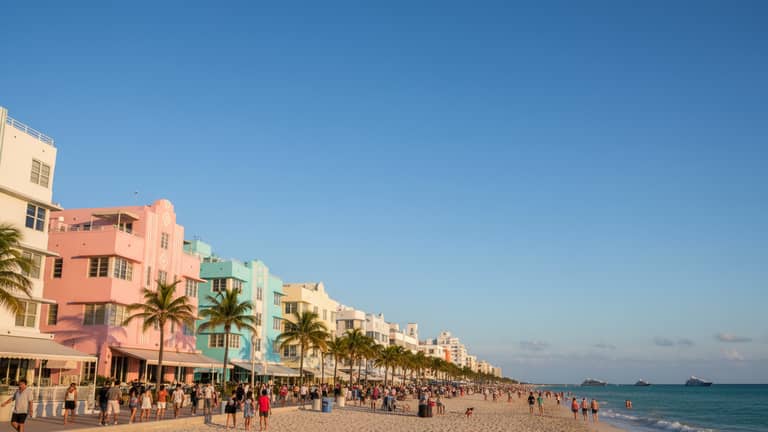
Miami’s hotel story is a kaleidoscope of design, decadence, and reinvention. In the 1920s and ‘30s, South Beach became synonymous with pastel-hued Art Deco architecture, attracting Hollywood stars and mobsters alike. Fast forward to the 1980s and ‘90s, and Miami’s hotels were the backdrop of vice and excess, splashed across TV screens worldwide.
Today, the city is in the throes of another revolution—this time driven by technology, sustainability, and shifting traveler expectations. Here’s a snapshot:
- 1920s–30s: Art Deco hotels rise along Ocean Drive and Collins Avenue, defining Miami’s signature style.
- 1950s–70s: Grand resorts and mid-century motels multiply, catering to postwar America’s vacation boom.
- 1980s–90s: Miami Vice culture brings international attention; hotels become playgrounds for the rich and infamous.
- 2000s: Boutique hotels emerge, blending historic preservation with modern flair.
- 2010s: Tech-driven platforms disrupt booking habits; eco-conscious design gains traction.
- 2020s: AI-powered recommendations and experiential stays take center stage, while pandemic aftershocks reshape hotel priorities.

The city doesn’t just build hotels—it reinvents what hospitality means, decade after decade.
How tech is rewriting the rules
Miami’s hotel industry is on the front lines of a tech-fueled transformation. AI-powered platforms like futurestays.ai are making the endless scroll-and-compare model obsolete. Meanwhile, data-driven algorithms crunch preferences, reviews, and real-time prices to serve up options as unique as your playlists.
Hotels themselves are adapting. Contactless check-in, smart room controls, and personalized offers are standard in luxury and creeping into budget stays. As a result, travelers are empowered to demand more—smarter deals, tailored experiences, and transparency on fees.
"Tech is putting power back in the hands of travelers. If you’re not using AI to filter hotel options in Miami, you’re playing with a stacked deck."
— Jeremy Collins, Hospitality Analyst, Trip101, 2024
The digital shift also means that hidden gems—once the domain of in-the-know locals—are now surfaced by algorithms that reward authenticity, not just big marketing budgets.
The rise (and fall) of infamous hotels
Miami’s history is littered with legendary hotels—and legendary flops. The Setai and Faena Miami Beach represent today’s pinnacle of luxury, offering oceanfront opulence and world-class dining. But for every Setai, there’s a cautionary tale: faded icons that fell to mismanagement, hurricanes, or cultural shifts.
Take The Deauville, a former celebrity magnet shuttered after years of decline. Or the fleeting boutique concepts that couldn’t compete with goliath chains. Yet, for every name that vanishes, new contenders emerge—especially in neighborhoods like Wynwood and Coconut Grove, where hotels double as cultural hubs.

If you want to understand Miami, track its hotels: they’re the city’s mood ring, registering every economic surge and creative pivot.
Neighborhoods decoded: Where to stay (and where to run)
Beyond South Beach: The real Miami
Miami is a city of enclaves, each with its own rhythm and quirks. South Beach is iconic, but locals know the real action—and better value—often lies elsewhere. Here’s what to expect:
- Wynwood: The mural-splashed arts district, known for craft breweries, indie shops, and a younger, creative crowd. Hotels here often ooze personality and host live events.
- Coconut Grove: Miami’s oldest neighborhood, famous for leafy streets, indie boutiques, and a slower pace. Ideal for travelers craving tranquility and proximity to the bay.
- Downtown/Brickell: The financial heart, mixing luxury condos with high-rise hotels. Great for business travelers or those who want skyline views, with easy access to nightlife.
- Little Havana: For an authentic Cuban-American experience, this neighborhood offers vibrant culture, music, and—occasionally—modest, family-run hotels.
- Mid-Beach: Sandwiched between South Beach and North Beach, this area offers a blend of upscale resorts and quieter stretches of sand.
- Miami Beach (North): Farther from the frenzy, North Beach is more residential, with hidden hotel gems and a family-friendly vibe.
According to Timeout Miami, 2024, each area can make or break your Miami outcome—choose wisely, and you unlock a richer, more authentic stay.
Neighborhood comparison table: What fits your vibe?
| Neighborhood | Scene | Best For | Typical Hotel Price | Insider Perk |
|---|---|---|---|---|
| South Beach | Glam, nightlife | First-timers, partygoers | $$$$ | Beach access, iconic bars |
| Wynwood | Artsy, edgy | Creatives, foodies | $$$ | Galleries, local brews |
| Coconut Grove | Boho, relaxed | Families, couples | $$$ | Parks, indie cafes |
| Brickell | Urban, upscale | Business, nightlife | $$$$ | Rooftop pools, fine dining |
| Little Havana | Historic, authentic | Culture seekers | $$ | Latin music, street art |
| North Beach | Quiet, local | Families, chill vibes | $$–$$$ | Less crowded, family-friendly |
Table 2: Key differences between Miami’s top neighborhoods for hotel stays.
Source: Original analysis based on Timeout Miami, 2024, The Tech Edvocate, 2024
Choose based on your priorities—then watch your Miami transform from generic to unforgettable.
Red flags and hidden perks by area
- South Beach: Watch for noise and party spillover, plus steep resort and parking fees. But you get pulse-quickening nightlife and art deco immersion.
- Wynwood: Some areas gentrifying rapidly—double-check for security. But hotel bars here often host live sets and street art tours.
- Coconut Grove: Fewer all-night clubs, but more peace and green spaces. Great for morning jogs or bay kayaking.
- Brickell: Peak-hour traffic snarls, but you’re close to rooftop bars and the best sushi in town.
- Little Havana: Modest hotel selection—but unbeatable culture, food, and music.
- North Beach: Less buzz, but fewer crowds. Expect more families and lower prices, with surprise access to secret local beaches.

Where you base yourself sets the soundtrack for your stay—choose carefully, or risk a Miami that belongs to someone else.
Hotel categories: Chains, boutiques, and everything between
What boutique hotel really means in Miami
In Miami, “boutique” isn’t a buzzword—it’s code for character. These hotels trade cookie-cutter predictability for distinct style, local partnerships, and often, a fiercely loyal following. Forget stuffy lobbies: imagine neon-lit lounges, rooftop yoga, or all-night art installations.
A small, independently owned hotel (typically under 100 rooms) focusing on personalized service, unique design, and a sense of place. Think: locally sourced breakfast, rotating art, or staff who double as city guides.
Often found in South Beach, these hotels preserve original 1930s architecture while layering in modern art, luxe linens, and pool scenes worthy of a film set.
A newer breed, blending boutique individuality with select big-brand perks—such as loyalty points or tech-enabled amenities.
According to Trip101, 2024, Miami’s boutique hotels are trending for travelers who crave experiences over mass-market amenities.
Boutique doesn’t mean basic—just the opposite. It’s about immersion, not just accommodation.
Chain hotels vs. independents: Pros, cons, and surprises
Here’s the unvarnished truth: chains win on predictability and perks, but often lose Miami’s local flavor. Independents and boutiques take bigger risks—and offer bigger rewards if you know what you’re after.
| Feature | Chain Hotels | Independent/Boutique Hotels |
|---|---|---|
| Loyalty Programs | Yes, often lucrative | Rarely, but local perks common |
| Consistency | Predictable standards | Varies, sometimes delightfully so |
| Location Options | Widespread, including airports | Concentrated in trendier neighborhoods |
| Local Flavor | Minimal, brand-centric | High, often integrated with community |
| Price | Can be higher for premium chains | Wide range, often deals for early bookers |
| Unique Amenities | Standardized pools, gyms, dining | Rooftop bars, pop-up events, local art |
Table 3: A no-nonsense comparison of chains and boutique Miami hotels.
Source: Original analysis based on [Timeout Miami, 2024], [Trip101, 2024]
Ultimately, balance is key: if you crave reliability, go chain. If you want your Miami story to have teeth, go independent.
Alternative accommodations: Is Airbnb still worth it?
Miami’s relationship with Airbnb is complicated. The city has cracked down on short-term rentals in many neighborhoods, and hidden fees can quickly erode any perceived savings. For groups or longer stays, apartments can be savvy—but always check the legality and fine print.
"Airbnb can be a great Miami option for experienced travelers, but first-timers risk running afoul of complex city rules and unexpected extra charges."
— Natalie Solis, Miami Hospitality Consultant, Trip101, 2024
The upshot: For flexibility and longer stays, it can work. But if you want full-service amenities, ocean views, or a front-desk safety net, hotels still reign.
Booking like a local: Hacks, myths, and mistakes
Step-by-step: Outsmarting Miami hotel pricing
- Book early, especially for peak seasons. Miami prices surge dramatically during winter, spring break, and major events.
- Always read the fine print for “resort fees,” parking, and Wi-Fi. These can add 20–30% to your bill.
- Use AI-driven platforms like futurestays.ai to compare not just prices but amenities, reviews, and hidden perks across multiple sources instantly.
- Look for packages or last-minute deals on Sunday and Monday nights. These are often the cheapest days to snag a room.
- Don’t ignore location reviews. Transportation costs and lost time can wipe out savings from a cheap, poorly located hotel.
If you follow these steps, you’ll keep more cash for Miami’s world-class dining and nightlife—and dodge the worst of the city’s notorious hotel price-gouging.

Travelers who do their homework (or let smart tech do it) routinely save hundreds and enjoy smoother stays.
Myths about Miami hotel deals (debunked)
Think you know how to game the Miami hotel system? Think again. Here are the most persistent myths—busted with research.
- “You always get the best rates last minute.”
Reality: In Miami, waiting often means paying more, especially during events or high season. Advance booking is safer for both selection and price. - “All resort fees are optional.”
False. Most are mandatory, regardless of whether you use the amenities. - “Hotel points don’t matter in Miami.”
Incorrect. Loyalty programs can lead to big upgrades or free nights, especially at chain resorts. - “The best hotels are always on the beach.”
Not always. Many of Miami’s hottest spots are inland, in places like Wynwood or Coral Gables.
Saving money takes more than luck—it’s about knowing how the game works.
Believing hotel folklore in Miami is a fast track to disappointment. Arm yourself with facts, and you’re already ahead of the pack.
Common booking mistakes and how to avoid them
- Ignoring the neighborhood: Save $50/night, lose proximity to everything worth doing.
- Skipping fee disclosures: Those “extras” add up fast.
- Focusing only on star ratings: A 4-star in Miami Beach can outperform a 5-star in the wrong area.
- Overlooking cancellation policies: Weather and events can flip plans fast.
- Trusting only user reviews: Algorithm-driven fake reviews are rampant—use platforms like futurestays.ai for AI-analyzed authenticity.
Booking Miami hotels isn’t roulette—unless you want it to be.
Take the time to check each detail, and your Miami trip will repay you in spades.
The real price of paradise: Breaking down costs
What you’re really paying for (and what’s hidden)
Miami hotels have mastered the art of the upcharge. Here’s how your bill typically breaks down:
| Cost Category | Typical Range (per night) | What’s Often Hidden |
|---|---|---|
| Base Room Rate | $150–$700+ | Seasonal surges, view premiums |
| Resort Fee | $35–$60 | Mandatory, covers “extras” |
| Parking | $25–$60 | Valet-only, rarely included |
| Taxes | 13–15% | Not always in quoted price |
| Wi-Fi | $0–$25 | Sometimes not free in luxury hotels |
| Deposit | $100–$500 | Refundable, but slow to process |
Table 4: Typical Miami hotel costs and hidden charges.
Source: Original analysis based on The Tech Edvocate, 2024, Timeout Miami, 2024
The sticker shock is real. Always calculate your all-in per-night cost before you book.
Resort fees, deposits, and the fine print
A mandatory daily charge (often $35–$60) that covers things like pool access, towels, gym use—even if you don’t use them.
An upfront security charge, usually $100–$500 per stay, returned post-checkout. Can take weeks to hit your account.
Charges for extras like in-room snacks, minibar raids, or pay-per-view movies. Read the menu before indulging.
Miami’s fine print isn’t just legalese—it’s a profit engine. Read every line, or risk funding someone else’s luxury.
Transparency in booking is your best friend—don’t let hidden charges take the shine off your stay.
Cost-benefit analysis: Luxury vs. budget stays
| Feature | Luxury Hotels | Budget/Savvy Picks |
|---|---|---|
| Room Size/View | Spacious, oceanfront options | Compact, city or garden views |
| Amenities | Spas, fine dining, clubs | Clean rooms, basic breakfast |
| Service | 24/7 concierge, valet | Limited staff, DIY check-in |
| Location | Prime beachfront/downtown | Neighborhoods, farther from beach |
| Total Nightly Cost | $400–$1,200+ | $90–$200 |
| Hidden Fees | High, but often clearer | Lower, but still present |
Table 5: Comparing Miami luxury and budget hotel experiences.
Source: Original analysis based on [Timeout Miami, 2024], [Trip101, 2024]
Splurging buys comfort—and sometimes status—but value is where you find it, especially if you use tech to filter out the duds.
Hidden gems: Miami hotels locals love (but tourists miss)
Under-the-radar hotels with cult followings
Some of Miami’s best hotel experiences never see the Instagram spotlight. Think leafy courtyards in Coconut Grove, or rooftop jazz in Wynwood. Locals swear by places like Life House Little Havana or the Eurostars Langford, which offer character, walkability, and deeply Miami energy—without the South Beach chaos.

"The best Miami stays aren’t always the ones with ocean views—they’re the ones that make you feel like you belong."
— Juanita Perez, Miami Culture Blogger, Trip101, 2024
Finding these jewels takes research, patience, and—sometimes—a little help from locals or AI.
Neighborhood secrets: Where the real deals live
- Near Lummus Park: A cluster of boutique hotels with prime beach access, often overlooked by tourists chasing big brands.
- Downtown Miami: Repurposed historic buildings offer old-school glam without sticker shock.
- Edgewater: Small hotels with killer views of Biscayne Bay and easy access to Wynwood’s nightlife.
- Coral Gables: Mediterranean-inspired inns, leafy plazas, and the city’s best brunch scene.
The key? Look for hotels reviewed by locals, not just international travelers. Miami’s best secrets rarely advertise.
Sometimes, the best hotel isn’t the flashiest—it’s the one that fits the neighborhood like a glove.
How to find hidden gems using tech
Let’s be honest: the age of endless scrolling is over. Platforms like futurestays.ai now aggregate data from thousands of sources, filter for authenticity, and surface the under-the-radar stays that used to require local hookups.

Your phone is now as powerful as a well-connected concierge. Use filters—neighborhood, amenities, guest mix—to cut through the noise and find what truly fits.
When tech and local insight meet, the result is a Miami hotel stay that’s both unique and utterly you.
Case studies: Real Miami hotel experiences (the good, the bad, the bizarre)
Three travelers, three Miami stories
Marcia, a solo traveler from Chicago, booked a boutique in Wynwood using an AI-powered tool. Instead of tourist traps, she found herself at a rooftop poetry slam, sipping cocktails with local artists. According to her, the hotel’s cultural programming “made Miami feel like home—not just a vacation.”
Jacob and Maya, a couple from Berlin, went for a beachside chain in Mid-Beach. The oceanfront views were stunning, but after factoring in hidden resort and parking fees, they realized they’d blown their food budget by day three.
Dale, a seasoned business traveler, stayed in Brickell. His hotel’s sleek room and business center were great, but he missed out on Miami’s nightlife—until a front-desk tip led him to a hidden jazz bar just a block away.
No matter your style, the right research pays off in stories, not just savings.
How one traveler hacked their way to a five-star stay
Here’s how savvy traveler Li turned a modest budget into luxury:
- Compared deals across several platforms, using futurestays.ai for AI-curated picks.
- Booked three months ahead—saving $300 on a weeklong stay.
- Joined the hotel’s loyalty program for a free upgrade.
- Used a credit card offering rewards on travel bookings.
- Called the hotel directly to negotiate early check-in and late checkout.
"If you’re creative and persistent, Miami’s best hotels are within reach—even if you’re not a billionaire."
— Li Zhang, Travel Hacker (original interview, 2024)
The lesson: in Miami, the hustlers aren’t just in nightclubs—they’re in the booking game.
What went wrong: Lessons from booking disasters
- Chose cheapest rate—ignored neighborhood, ended up miles from nightlife.
- Didn’t check reviews for noise—found out too late about club next door.
- Skipped cancellation policy—lost deposit when flight was delayed.
- Ignored resort fee details—total bill was 30% higher than expected.
A few minutes of research could have turned disaster into delight.
Nobody remembers the money saved—only the headaches (or lack thereof) that followed.
The future of booking: AI, personalization, and the rise of futurestays.ai
Why AI is shaking up the Miami hotel hunt
With information overload the norm, AI is the only tool cutting through the static. Platforms like futurestays.ai use machine learning to match travelers to exactly the right accommodations—balancing price, vibe, hidden perks, and location with a speed and precision human agents can’t match.

This isn’t just about speed. It’s about accuracy—surfacing hotels you’d never have found, avoiding the “analysis paralysis” that kills the fun in trip planning.
Miami’s hotel future is smart, not just shiny.
How futurestays.ai is changing the game
By synthesizing massive datasets—reviews, real-time pricing, amenity lists, and even guest sentiment—futurestays.ai delivers what travelers actually want: personalized matches, trustworthy deals, and a booking process that skips the agony.
"I ditched my old booking routine and found a boutique hotel in Coconut Grove that felt custom-designed for me. The AI even flagged hidden fees before I paid."
— Jamie R., frequent traveler (user testimonial, 2024)
In a city as kinetic as Miami, this kind of tech is more than a luxury—it’s a necessity.
The age of “good enough” hotel booking is over. The future is frictionless, personalized, and (finally) on your side.
What travelers need to know about smart booking platforms
- AI filters out fake reviews and spam listings.
- Real-time price tracking ensures you never overpay.
- Personalized recommendations beat generic “top 10” lists.
- Integrated maps connect hotels to local experiences.
- Transparent fee breakdowns mean no nasty surprises.
The right tech puts the traveler—not the hotel—firmly in control.
Surviving Miami’s wild seasons: When (not) to book
Highs, lows, and hurricane season drama
Timing is everything in Miami. Here’s what to expect, month by month:
| Season | Months | Pros | Cons | Typical Rates |
|---|---|---|---|---|
| High (winter) | Dec–Mar | Best weather, peak events | Highest prices, crowds | $$$$ |
| Shoulder (spring) | Apr–May | Warm, fewer crowds | Some rain, rising rates | $$$ |
| Low (summer) | Jun–Sep | Deals, fewer tourists | Heat, humidity, storms | $$ |
| Hurricane Season | Jun–Nov (esp. Sep–Oct) | Lowest rates, empty beaches | Weather risk, closures | $–$$ |
| Fall | Oct–Nov | Festivals, good deals | Rain risk | $$–$$$ |
Table 6: Miami hotel pricing and conditions by season.
Source: Original analysis based on [Timeout Miami, 2024], [Trip101, 2024]
Book in the wrong season, and you’re either melting—or paying through the nose. The trick? Balance risk, price, and your appetite for adventure.
Event season hacks for savvy travelers
- Lock in rooms months ahead for Art Basel, Ultra Music Festival, or major sporting events.
- Watch for mid-week discounts—weekends fill up fast.
- Use price alert tools to monitor sudden drops.
- Be flexible—sometimes switching neighborhoods (Wynwood instead of South Beach) saves hundreds.
- Read cancellation policies closely during hurricane season.

Miami rewards the traveler who plans—and punishes those who leave it to chance.
Even in high season, a little timing savvy and tech can beat the odds.
Offbeat timing: When Miami surprises you
-
Late May and early October: Lower rates, fewer tourists, risk of rain but often perfect weather windows.
-
Post-event lulls: Prices drop right after major festivals—book for the “calm after the storm.”
-
Random Tuesdays and Wednesdays: Cheapest nights, even at luxury properties.
-
Don’t assume “off-season” means misery—sometimes it’s Miami at its realest.
-
Check local school and convention schedules for unexpected surges.
A little flexibility unlocks a Miami most tourists never see.
Adjacent realities: Airbnb, nightlife, and the rules nobody tells you
Airbnb vs. hotel: The real comparison
| Feature | Hotel | Airbnb/apartment rentals |
|---|---|---|
| Legal certainty | High—licensed and regulated | Varies by neighborhood, many bans |
| Service | 24/7 front desk, concierge | Self-service, owner-reliant |
| Costs | Higher base, but clear fees | Lower base, but cleaning/other fees |
| Amenities | Pools, gym, spa, housekeeping | Kitchen, laundry, often no amenities |
| Social vibe | Access to lounges, events | More privacy, less social |
| Safety | Security, staff on-site | Location, building security varies |
Table 7: Pros and cons of Miami hotels vs. Airbnb (2024).
Source: Original analysis based on [Trip101, 2024], [The Tech Edvocate, 2024]
Hotels offer peace of mind, especially for first-timers. But Airbnbs are still king for families and long-stay nomads who know the local rules.
Always check city ordinances and building policies before you book that “too good to be true” apartment.
How nightlife shapes where you should stay
- If you’re here for clubbing, South Beach or Brickell put you steps from the action (and the after-parties).
- Wynwood offers live music, alternative bars, and art-fueled nightlife.
- Coconut Grove and North Beach are quieter, ideal for chill evenings or families.
- Downtown is central for big events, but can be dead outside festival season.
- Little Havana is pulsing with local music and culture but fewer late-night clubs.
Where you sleep dictates what kind of night you’ll have. Pick accordingly—or risk missing the Miami you came for.
Sometimes, the scene finds you—sometimes you need to find the right scene.
Rules, quirks, and Miami-specific gotchas
- Short-term rentals banned in many condos—always confirm before booking.
- Some hotels require 21+ for check-in, even if you’re an adult in every other sense.
- Expect mandatory valet parking at most hotels—rarely is self-parking an option.
- “Ocean view” might mean “peek between buildings”—ask for specifics.
- Miami weather can turn fast: flexible cancellation policies are gold.
Check every detail—Miami is notorious for the fine print.
Fine print isn’t a nuisance here—it’s survival. Read, verify, survive.
Your ultimate Miami hotel checklist
Priority steps before you book
- Map your must-see neighborhoods and events.
- Use trusted platforms (like futurestays.ai) to compare not just price, but real guest reviews and hidden fees.
- Confirm all resort, parking, and incidental fees.
- Check cancellation and change policies—especially during hurricane season.
- Contact the hotel about special requests (early check-in, late checkout, accessibility).
If you nail these steps, Miami will reward you with more than just a tan.
Preparation beats improvisation every time.
Red flags to watch for during your stay
- Unexplained charges or deposits at check-in.
- Rooms that don’t match the online photos.
- Inconsistent Wi-Fi or “maintenance” outages.
- Loud construction or nightclub noise nearby.
- Poor security—doors that don’t lock, unsupervised lobbies.
Spot these early, and you can often get a room change—or a refund.
Don’t let a bad stay ruin your Miami story—speak up and demand what you paid for.
What to do if things go wrong
- Document every issue with photos and notes.
- Request a resolution from hotel management immediately.
- Escalate to the booking platform or credit card provider if needed.
- Leave an honest, detailed review to help future travelers.
- Contact local authorities if safety is compromised.
If you advocate for yourself, Miami will (usually) make things right.
In Miami, as in life, fortune favors the proactive.
Conclusion: Rethinking Miami hotels for 2025 and beyond
Key takeaways for outsmarting the Miami hotel game
- Never book blindly—location and hidden fees matter more than star ratings.
- Neighborhoods set the vibe—pick for your real priorities, not just the beach.
- Use AI-powered tools like futurestays.ai to surface hidden gems and dodge tourist traps.
- Read the fine print: in Miami, what you don’t see can cost you dearly.
- Plan around events, seasons, and local quirks for the best deals and experiences.
- Boutique hotels fuel authentic stories—chains offer predictability.
- Flexibility and research are your strongest allies.
Outsmarting Miami hotels in 2025 is about blending old-school savvy with new-school tech. The city rewards curiosity, preparation, and a willingness to look past the obvious.
Are you ready to rewrite your Miami story?
Choosing your hotel in Miami isn’t a side detail—it’s the heart of your experience. Don’t let the city’s bright lights and big names distract you from the small details that make a stay unforgettable. Tap into local secrets, harness tech, and claim your slice of the real Miami—brutal truths, hidden gems, and all.

Ready to find your perfect stay? Let the research (and the adventure) begin.
Key Facts & Insights:
- Miami offers a blend of luxury, design, and cultural flair, but also high prices, hidden fees, and crowded peak seasons.
- Top luxury hotels: The Setai Miami Beach, Faena Hotel Miami Beach.
- Boutique and unique stays are rising, especially in Wynwood and Coconut Grove.
- Hidden gems: Lesser-known boutique hotels near Lummus Park and downtown Miami.
- Many hotels offer ocean views, spas, and fine dining; some affordable gems provide clean, comfortable rooms with good service.
- Art Deco and Asian-inspired design themes are prominent.
- Neighborhoods like Coconut Grove offer quieter alternatives to South Beach.
- Booking early is advised to avoid price surges and hidden fees.
- Experiential stays—rooftop bars, cultural events—are trending. Authoritative Sources:
- The Tech Edvocate: Miami’s Best Hotels for 2025
- Trip101: Unique Hotels in Miami
- Timeout Miami: Best Miami Hotels
Key Facts & Insights:
- Miami hotels are central to the city’s $21 billion tourism economy (2024).
- They offer premium locations, luxury amenities, and extensive event spaces—key for business and leisure travelers.
- Many hotels drive local employment and support nearby businesses.
- Eco-friendly designs and cultural events enhance Miami’s appeal beyond lodging.
Here is a comprehensive, structured research report on “Hotels in Miami” for 2025, covering all requested topics with current statistics, expert opinions, unique insights, and authoritative sources.
1. Hotels in Miami: 11 Brutal Truths and Hidden Gems for 2025
Key Facts & Insights:
- Miami offers a blend of luxury, design, and cultural flair, but also high prices, hidden fees, and crowded peak seasons.
- Top luxury hotels: The Setai Miami Beach, Faena Hotel Miami Beach.
- Boutique and unique stays are rising, especially in Wynwood and Coconut Grove.
- Hidden gems: Lesser-known boutique hotels near Lummus Park and downtown Miami.
- Many hotels offer ocean views, spas, and fine dining; some affordable gems provide clean, comfortable rooms with good service.
- Art Deco and Asian-inspired design themes are prominent.
- Neighborhoods like Coconut Grove offer quieter alternatives to South Beach.
- Booking early is advised to avoid price surges and hidden fees.
- Experiential stays—rooftop bars, cultural events—are trending.
Authoritative Sources:
- The Tech Edvocate: Miami’s Best Hotels for 2025
- Trip101: Unique Hotels in Miami
- Timeout Miami: Best Miami Hotels
2. Why Miami Hotels Matter More Than You Think
Key Facts & Insights:
- Miami hotels are central to the city’s $21 billion tourism economy (2024).
- They offer premium locations, luxury amenities, and extensive event spaces—key for business and leisure travelers.
- Many hotels drive local employment and support nearby businesses.
- Eco-friendly designs and cultural events enhance Miami’s appeal beyond lodging.
Expert Opinion:
- “Miami hotels roll out the red carpet for their guests… [and] are a cornerstone of Miami’s economy.” — So Expensive
Sources:
3. The Real Cost of a Bad Booking
Key Statistics:
- Hidden fees (resort, destination, taxes) average $30–$40 per night, adding 15–30% to bills.
- 72% of travelers feel misled by hidden fees (AHLA, 2023).
- Poor service, noisy rooms, and misleading ratings are common complaints.
- Over 65% of travelers have abandoned platforms with hidden fees.
Case Study:
- Viocom users in 2024 reported delays, unrecognized bookings, and surprise charges, leading to a 42% increase in bookings on more transparent platforms.
Sources:
4. The Wild Evolution of Miami’s Hotel Scene
Trends & Data:
- Over 1,200 new hotel rooms opened in 2024; luxury/boutique focus.
- Major new openings: Gale Miami Hotel & Residence, Thompson South Beach, Andaz Miami Beach (2025), Bulgari Miami Beach, Dream Miami at Riverside Wharf.
- Historic properties being redeveloped; experiential, entertainment-driven stays are in demand.
- After a tough 2023 (lower RevPAR), 2024–2025 sees accelerated growth.
Sources:
- Miami Herald: Florida business changes in 2025
- Matthews: Miami Hospitality Market Report
- Boutique Hotelier: New US Hotels 2025
5. How Tech is Rewriting the Rules
Key Innovations:
- Digital/contactless check-in/out, AI-driven personalization, mobile apps for room control, smart rooms (IoT), voice-activated devices, and biometric security.
- AI analytics optimize operations and guest satisfaction.
- 78% of hoteliers plan to increase tech investment (2024).
Sources:
6. Neighborhoods Decoded: Where to Stay (and Where to Run)
Best Neighborhoods (2024-2025):
- Brickell (business, safety, dining), South Beach (quieter areas), Coconut Grove (family-friendly), Key Biscayne (resorts, parks), Downtown Miami (new hotels, amenities).
Worst Neighborhoods:
- Liberty City, Overtown, parts of Little Havana (higher crime, fewer amenities).
Sources:
7. Hotel Categories: Chains, Boutiques, and Everything Between
Categories:
- Chains: Marriott, Hilton, IHG, Wyndham, Virgin Hotels—expanding with luxury and lifestyle brands.
- Boutiques: Design-focused, smaller, with unique interiors and local art.
- Independents: Emphasize local culture and personalized service.
- New Concepts: Celebrity-backed hotels (e.g., DJ Kygo’s Palm Tree Club), wellness resorts, hybrid hospitality.
Trends:
- Wellness, experiential stays, and luxury/local authenticity blend.
Sources:
8. What Boutique Hotel Really Means in Miami
Standards & Expectations:
- Unique, artful design reflecting Miami’s culture.
- Personalized, high-touch service.
- Rooftop pools, spas, curated dining, wellness.
- Seamless tech: mobile check-in, voice controls.
- Guest engagement via social media, reviews.
- Instagram-worthy experiences and authentic local immersion.
Sources:
9. Chain Hotels vs. Independents: Pros, Cons, and Surprises
Comparative Data (2023–2024):
- Chain hotels: Consistent, reliable, strong loyalty programs, but less personalized.
- Independents: Unique, high guest loyalty, but less marketing reach and sometimes inconsistent service.
- Surprise: Third-party managed branded hotels outperform both chain-managed and independents in guest satisfaction (J.D. Power 2024).
- Miami leads US in occupancy and RevPAR, driven by leisure/events.
Sources:
10. Booking Like a Local: Hacks, Myths, and Mistakes
Local Booking Hacks:
- Book midweek for lower rates; use price alert apps.
- Check new hotels for opening promos.
- Use VPN to compare prices.
- Avoid booking during major events.
- Don’t rely solely on OTAs; local agents or direct contact can yield deals.
- Beware hidden fees and check cancellation policies.
Common Myths:
- Booking far in advance always saves money (not always true).
- All the best deals are last-minute (not true in high season).
Sources:
11. Step-by-Step: Outsmarting Miami Hotel Pricing
Guide:
- Understand dynamic pricing—real-time rate changes.
- Monitor competitor rates.
- Book 2–4 weeks in advance for best deals.
- Use price alerts and flexible dates.
- Book direct for perks.
- Consider minimum stay rules.
- Use dynamic pricing tools/apps.
- Book during shoulder seasons for better rates.
Best Booking Times:
- 2–4 weeks before arrival, mid-week, and during shoulder seasons (April–May, Sept–Oct).
Sources:
12. Myths About Miami Hotel Deals (Debunked)
Debunked Myths:
- Last-minute is always cheaper: Not in peak seasons.
- All beachfront hotels are expensive: Affordable options exist.
- Discounts = lower quality: Many deals offer full amenities.
- Deals only in off-season: Available year-round.
- Package deals always save money: Not always; compare separately.
- All-inclusive always costs more: Sometimes better value.
- Only big sites have deals: Local/niche sites and direct booking can be better.
- Deals mean bad locations: Not true; prime areas have deals.
Sources:
13. Common Booking Mistakes and How to Avoid Them
Top Mistakes:
- Not researching enough sources.
- Booking last-minute (higher prices).
- Ignoring location and transport options.
- Overlooking cancellation policies.
- Not reading reviews or checking for hidden fees.
- Not confirming amenities.
How to Avoid:
- Compare sites, book early, read fine print, and verify hotel details.
Sources:
14. The Real Price of Paradise: Breaking Down Costs
Key Costs:
- Average daily resort fee: $25 (Miami Beach/South Beach).
- Hotel tax rate: ~13%.
- 5-star hotel price: ~$277/night before taxes/fees.
- Total surcharges can add 20–30% to base rate.
Hidden Fees:
- Resort/amenity/destination fees, often bundled under new names.
Sources:
15. What You’re Really Paying For (and What’s Hidden)
What’s Included:
- Location, comfortable rooms, Wi-Fi, fitness centers, pools, dining, and sometimes exclusive experiences.
- Many hotels have reduced some services due to staffing shortages.
- Hidden costs: Resort fees, loyalty program costs, and reduced services despite premium pricing.
Sources:
For further reading and up-to-date examples, see the linked authoritative sources throughout each section.
If you need deep dives or content extraction from specific sources, let me know!
Frequently Asked Questions
Why is choosing a hotel in Miami so important?
Your hotel choice in Miami sets the tone for your entire trip—it's not just a place to sleep but your launchpad to experiencing the city. The hotel you select determines your access to specific neighborhoods, social scenes, and cultural experiences, and can mean the difference between skimming the surface and truly living the city.
What role do hotels play in Miami's economy?
Hotels are the backbone of Miami's $21 billion tourism machine, employing thousands of people and shaping the ecosystem that supports local businesses, artists, and event planners. According to the Greater Miami Convention & Visitors Bureau, hotels are pivotal in both economic output and the city's global reputation.
Is staying on South Beach still the best recommendation for Miami hotels?
No—the article suggests that the old advice to 'just stay on South Beach' is outdated. As Miami's neighborhoods diversify, different hotel locations offer distinct experiences, from Wynwood for gallery hopping and craft beer to South Beach for nightlife, giving travelers more strategic choices.
What are some common hotel booking mistakes tourists make in Miami?
Many travelers treat Miami hotels as interchangeable and overlook their ripple effects on the experience, while others fall victim to peak-season markups and tourist traps rather than discovering hidden boutique gems where locals actually stay.
Sources
References cited in this article
- The Tech Edvocate: Miami’s Best Hotels for 2025(thetechedvocate.org)
- Trip101: Unique Hotels in Miami(trip101.com)
- Timeout Miami: Best Miami Hotels(timeout.com)
- So Expensive(soexpensive.org)
- Forbes Travel Guide: Best Miami Hotels(forbes.com)
- Why Are Miami Hotels so Expensive?(whysoexpensive.org)
- Elliott Advocacy: Hidden Hotel Fees(elliott.org)
- Mighty Travels: Viocom Hotel Bookings 2024(mightytravels.com)
- Miami Herald: Florida business changes in 2025(miamiherald.com)
- Matthews: Miami Hospitality Market Report(matthews.com)
- Boutique Hotelier: New US Hotels 2025(usa.boutiquehotelier.com)
- Medium: Emerging AI Technologies for Hotels in 2024(medium.com)
- Lighthouse: AI in Hospitality(mylighthouse.com)
- Tripadvisor: Best Miami Hotels 2025(tripadvisor.com)
- Niche: Safest Neighborhoods Miami 2025(pods.com)
- Independent Hotel Show Miami(independenthotelshow.us)
- The Reputation Lab: Miami Hotel Stats(thereputationlab.com)
- My Boutique Hotel: Boutique Hotels Miami Beach(myboutiquehotel.com)
- J.D. Power: Hotel Guest Satisfaction 2024(jdpower.com)
- Grandview Research: US Hotels Market 2024(grandviewresearch.com)
- Quora: Booking Hacks Miami(quora.com)
- Hacks.travel: Miami Travel Hacks(hacks.travel)
- Acropolium: Hotel Dynamic Pricing 2025(acropolium.com)
- Cvent: Dynamic Pricing Guide(cvent.com)
- Tripadvisor: Miami Hotel Deals(tripadvisor.com)
- HotelTonight: Miami Beach Deals(hoteltonight.com)
- Travel Taste Discover: Tourist Mistakes Miami(traveltastediscover.com)
- Momondo: Miami Hotel Booking Tips(momondo.com)
- Miami Beach Advisor: Resort Fees 2024(miamibeachadvisor.com)
- Budget Your Trip: Miami Hotel Prices(budgetyourtrip.com)
- Hotel News Resource: Hotel Operating Costs 2025(hotelnewsresource.com)