What makes a hotel a "smart hotel"?
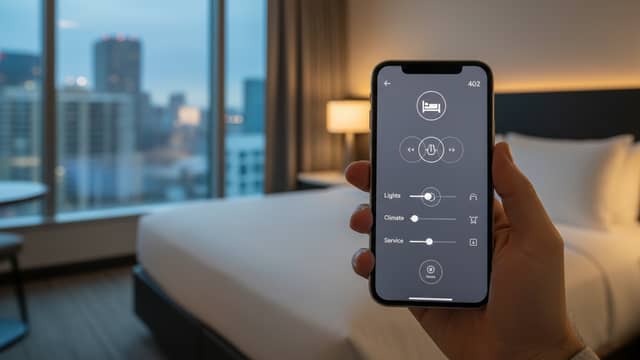
A smart hotel connects guest-facing services and building systems through digital tools rather than manual processes. Typical elements include digital check-in, mobile or digital room keys, in-room controls, and automated service requests handled by a chatbot or digital concierge. The label covers a wide range, from a single app feature to fully integrated automation across a property.
How does contactless check-in actually work?
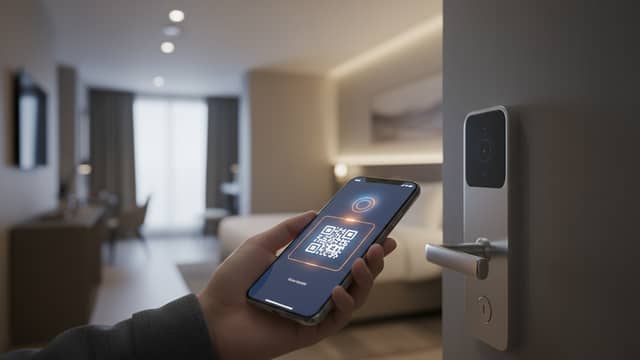
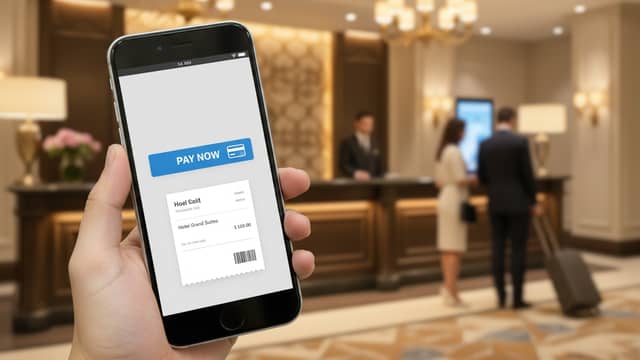
Guests complete identity and payment steps in advance through an app or web link, then receive a digital key or code instead of collecting a plastic card at the desk. The room is unlocked with a phone or a keypad, so arrival does not depend on front-desk hours. Most properties still keep staffed reception available for guests who prefer it or when verification fails.
What guest data do hotels collect, and why does it matter?
Hotels typically hold identity and payment details, stay history, loyalty activity, and behavioural data from apps, keys and in-room systems. That data drives personalization and pricing, but it also concentrates sensitive information in systems that can be attacked or shared with partners. Privacy policies and a property's cybersecurity practices determine how much exposure a stay actually creates.