Topics

Accessible accommodation

50 articles · Page 1

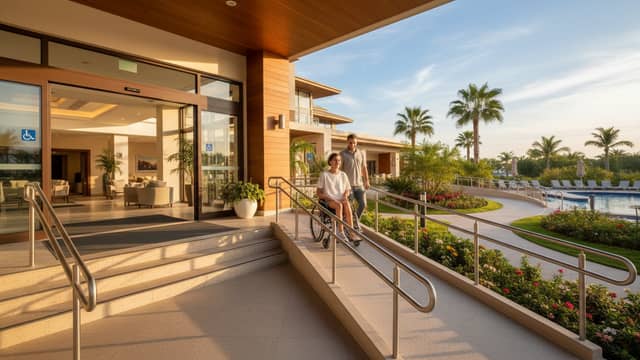
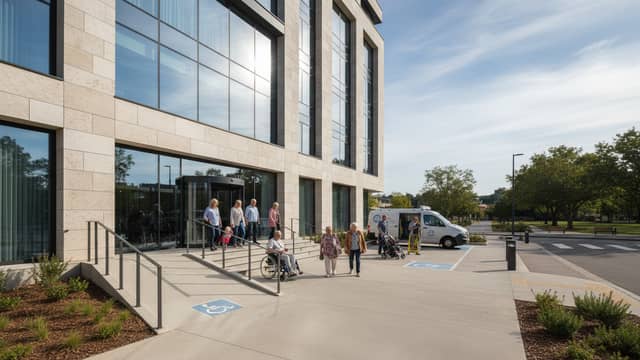
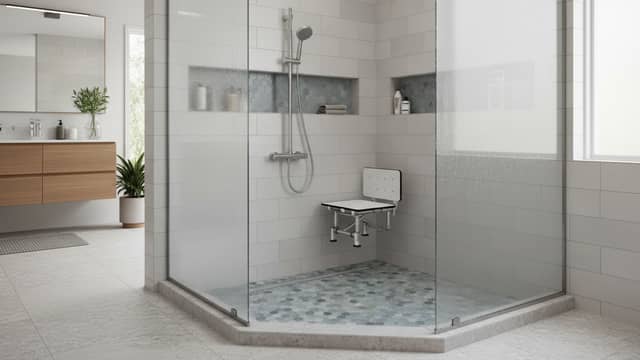
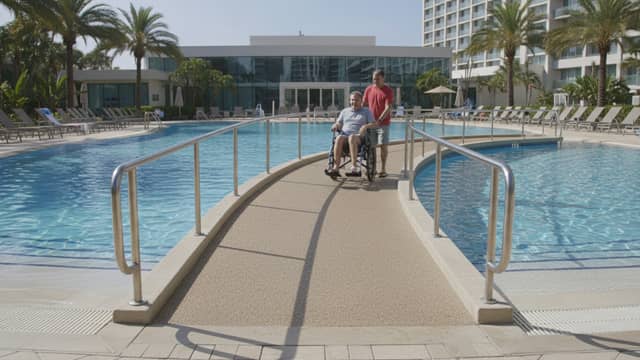
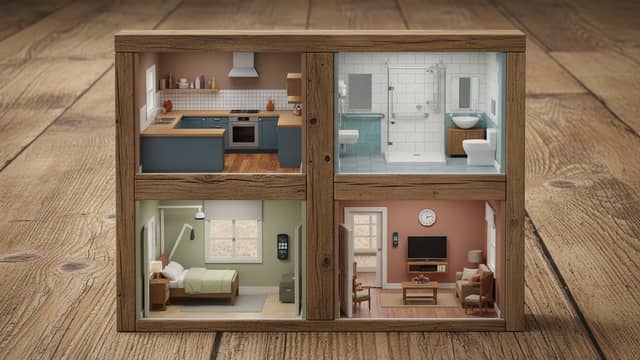
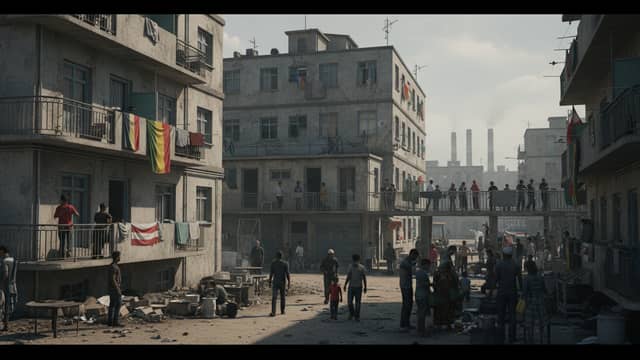
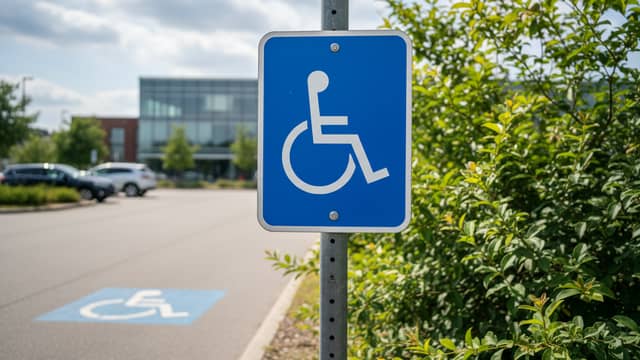
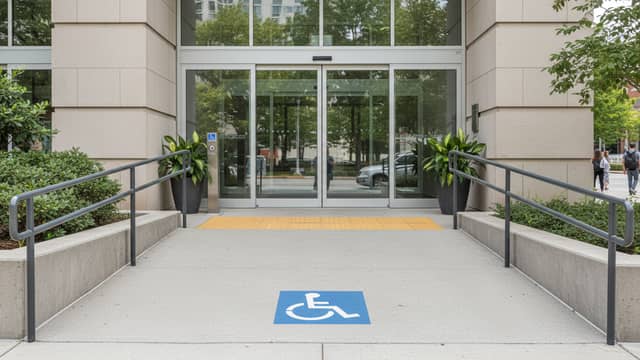
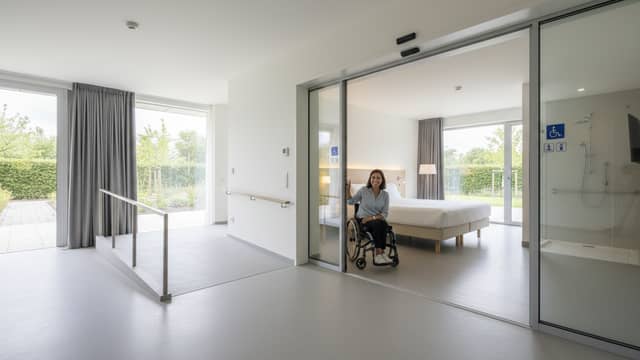
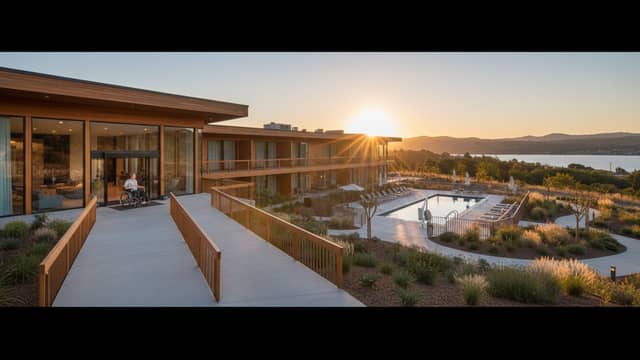
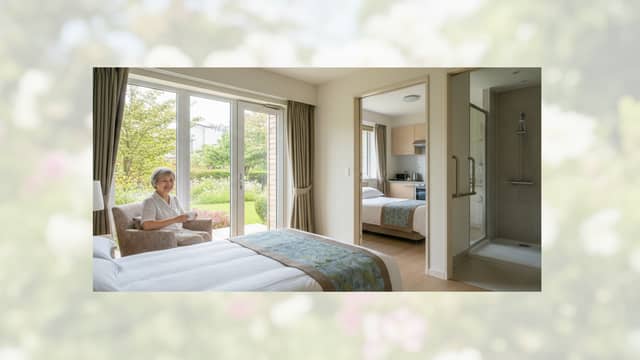
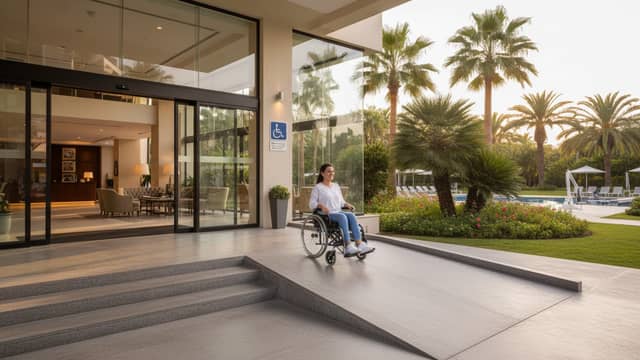
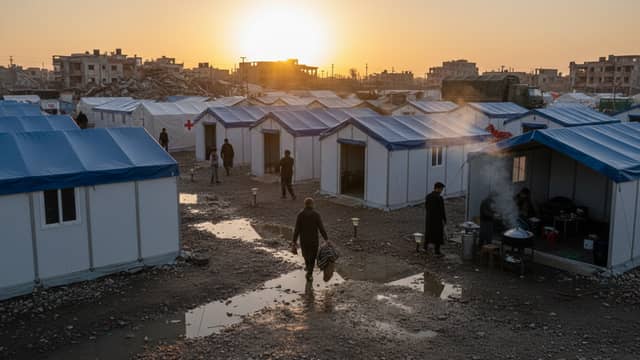
This section gathers our coverage of accessible accommodation: what hotels, vacation rentals and other stays actually offer travellers with disabilities, and how to verify it before booking. Articles look at ADA compliance and where it falls short in practice, from accessible entrances, bathrooms, parking and pools to adapted rooms and accessibility certification. You will also find guides on finding accessible stays, accessibility checklists, universal and inclusive design principles, and features relevant to senior travellers, allergy-sensitive guests and disaster relief housing. The focus throughout is the gap between a compliance label and a room that works, and the information needed to tell the two apart.
Frequently Asked Questions

What does an ADA compliant hotel actually guarantee?

ADA compliance means a hotel meets a defined set of legal requirements for features such as entrances, bathrooms and parking. It does not guarantee that those features are usable in practice, since measurements, maintenance and layout can still fail individual guests. This is why several articles here compare stated compliance with real access.

How can I check whether a room is genuinely wheelchair accessible?

Ask for specific measurements and photographs rather than relying on an "accessible" label, covering door widths, bathroom turning space, grab bars and bed height. An accessibility checklist helps you cover entrances, parking and shared facilities as well as the room itself. Our guides set out the questions worth asking before a booking is confirmed.

What is the difference between accessible design and universal design?

Accessible design adapts specific features to meet the needs of disabled guests, often through designated rooms or facilities. Universal and inclusive design aim to make a building usable by as many people as possible from the outset, without separate provision. Both approaches appear across the accommodation covered in this section.