Edge City Hotels Vs City Center Stays
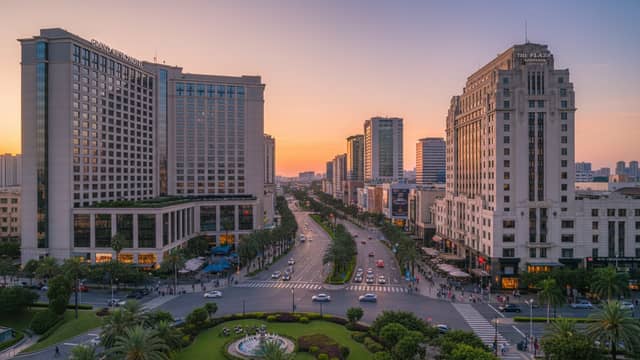
Edge city hotels are becoming preferred alternatives to city center stays. This article explains what edge cities are, why travelers choose them, and how they compare to traditional downtown hotels.
130 articles · Page 1
This section covers where to stay rather than what to book: city center accommodation, walkable and pedestrian-friendly districts, hotels near airports and train stations, transit and roadside options for road trips, and stays close to landmarks or attractions. Articles compare the trade-offs of each location type, including noise, safety, airport parking and shuttle access, distance from the places you actually want to reach, and the price differences between downtown and outlying areas. You will also find explanations of how proximity search, GPS locators and distance calculators measure closeness, how review and deal listings can mislead, and how amenities and hotel alternatives change the value of a location.
Edge city hotels are becoming preferred alternatives to city center stays. This article explains what edge cities are, why travelers choose them, and how they compare to traditional downtown hotels.
Short stay hotels now dominate city travel. This article examines the shift in booking patterns, the technology driving growth, and what travelers should know before booking.
Commercial area hotels shape how travelers work and stay in business districts. This article examines the real tradeoffs: pricing, atmosphere, and economic impact.
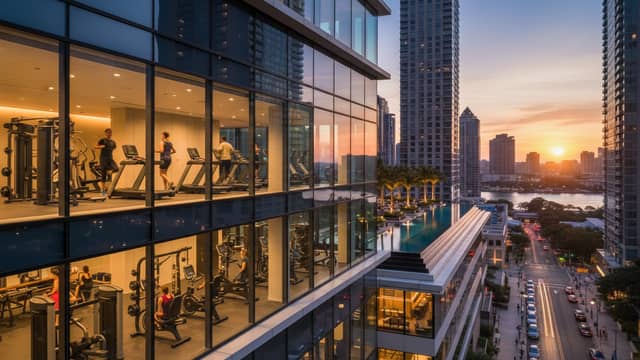
Hotels with fitness center often disappoint guests despite marketing claims. This article examines what travelers actually find, from hidden fees to misrepresented amenities.
Urban core hotels sit at the heart of dense city districts. This article examines what separates a rewarding city stay from a problematic one.
Hotels in Boston range from heritage properties to modern boutiques. This guide explains pricing dynamics, location trade-offs, and how to find value without settling for tourist traps.
Hotels near crossing serve travelers at transport hubs and borders. This article examines their role in global travel, the conditions they operate under, and how to choose wisely.
Hotels with coffee makers are now standard worldwide. This article examines why guests value them, the hygiene concerns, and what actually affects your stay.
Regional hotels are outpacing urban chains in growth and guest satisfaction. This article examines the shift in traveler preferences, pricing trends, and what regional hotels actually deliver.
Suburb hotels offer different trade-offs than downtown stays. This article compares costs, safety, convenience, and cultural access between suburban and city-center accommodations.
Hotels in Barcelona reflect the city's complex identity. This article examines myths about Barcelona accommodations, common booking traps, and what actually works for travelers.
Park and ride hotels offer convenient airport parking and overnight stays. This article examines their real costs, hidden risks, and which options deliver genuine value.
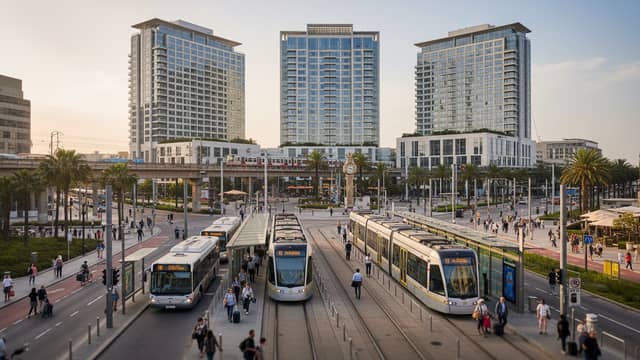
Public transport hotels are often marketed with inflated proximity claims. This article examines what 'transit-accessible' actually means, compares real costs, and explains the tradeoffs.
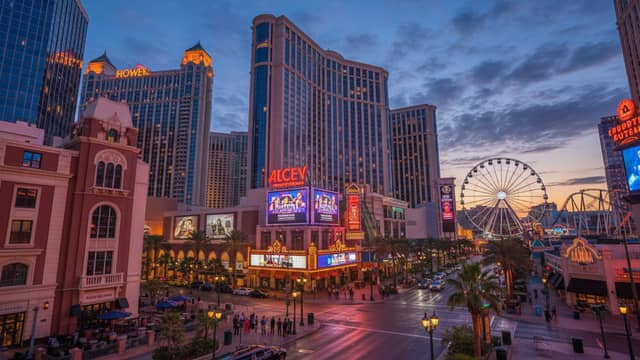
Entertainment district hotels offer front-row access to city nightlife, but come with trade-offs. This article examines the actual risks, costs, and genuine advantages before you book.
Hotels near business park selection affects business travel outcomes. This article examines location trade-offs, hidden costs, and amenity quality for work travelers.
Novotel hotels have evolved into a global midscale player. This article examines the brand's strengths, weaknesses, and which travelers benefit most from staying there.
Hotels near interstate serve road travelers as safety nets and rest stops. This article examines their evolution, practical benefits, and how to choose one that meets your needs.
Quiet hotels are increasingly difficult to find as noise complaints now top guest grievances. This article examines why silence matters and reveals strategies for securing genuinely quiet accommodations.
Courtyard hotels have ancient roots and modern variations. This article examines their benefits and drawbacks to help travelers decide when they're a smart choice.
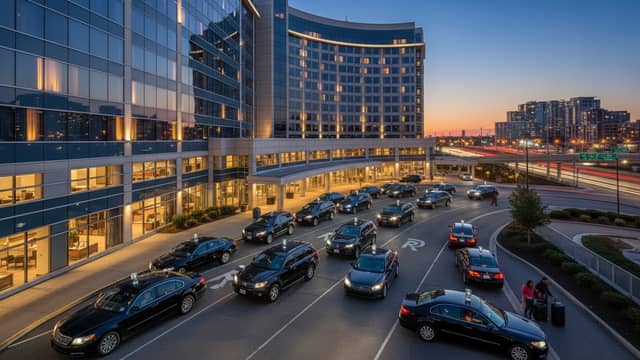
Transportation hub hotels serve travelers during layovers and brief stays near major transport terminals.
Commuter friendly hotels promise convenience but often fall short. This article reveals hidden costs, real amenities, and strategies that actually work for hybrid workers.
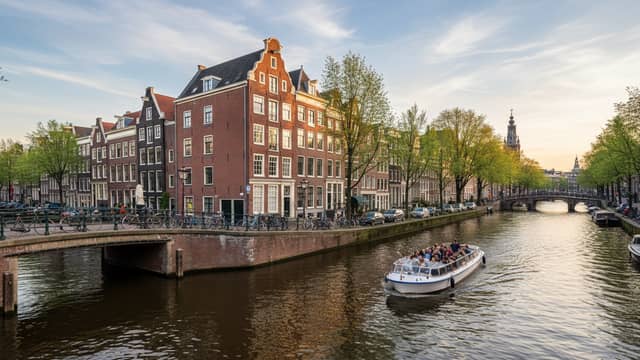
Hotels in Amsterdam range from canal mansions to modern towers. This article explains the myths, hidden costs, and neighborhood strategies that shape smart booking decisions.


Hotels in Hong Kong number over 324 properties with 90,501 rooms. This article explains the paradoxes, hidden pitfalls, and practical insights that shape where to stay.
Hotels midway often disappoint road trippers. This article examines why these stops fall short and how travelers can identify genuinely comfortable, safe midpoint accommodations.
Midtown hotels serve as the city's commercial and cultural hub. This article examines 27 insider tips, verified pricing strategies, and what booking sites don't disclose about midtown accommodations.
Rideshare hotels are reshaping travel with new conveniences and trade-offs. This article explains the real perks, hidden costs, and practical strategies for smarter stays.
Central hotels promise convenience but often cost more while delivering less value. This article examines the hidden costs, changing travel patterns, and whether city center stays justify their premium pricing.
City hotels balance gleaming amenities with hidden fees and marketing tactics. This article explains the real costs, overlooked perks, and strategies for smarter urban stays.
Hotels in Denver have expanded rapidly with over 55,000 rooms citywide. This article examines which properties deliver value, common booking mistakes, and how to navigate Denver's competitive hotel market.
Hotels near landmark often charge 20–50% above city averages and face noise, crowds, and hidden fees. This article examines why proximity doesn't guarantee a better stay.
Neighborhood hotels offer authentic travel experiences but come with hidden risks. This article examines the safety concerns, rewards, and realities of choosing local stays.
Hotels along route have changed dramatically. This article explains 13 insider truths about booking roadside accommodations, from real risks to rewards and AI tools.
Finding hotels close by involves more than distance. This article examines what actually matters when booking nearby accommodation and why proximity alone isn't the deciding factor.
Hotels en route are evolving with AI-powered booking and dynamic pricing strategies. This article explains the current landscape, expert strategies, and what matters for finding quality stops.
Hotels in Berlin range from repurposed embassies to punk-inspired hostels across distinct neighborhoods. This article explains how to navigate the city's hotel landscape and find the right fit.
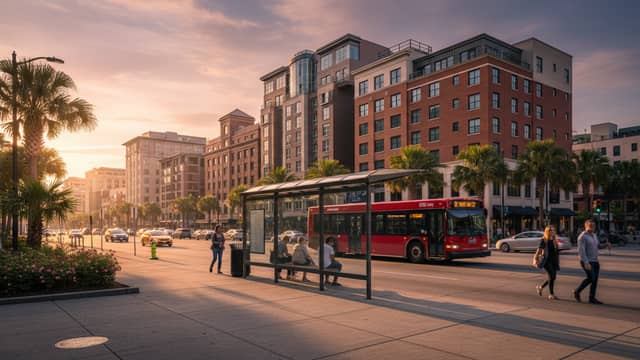
Hotels near bus stop often underdeliver on convenience promises. This article examines the marketing claims, real distances, and safety factors that affect your choice.
Locality hotels shape your entire travel experience—affecting safety, convenience, and local communities.
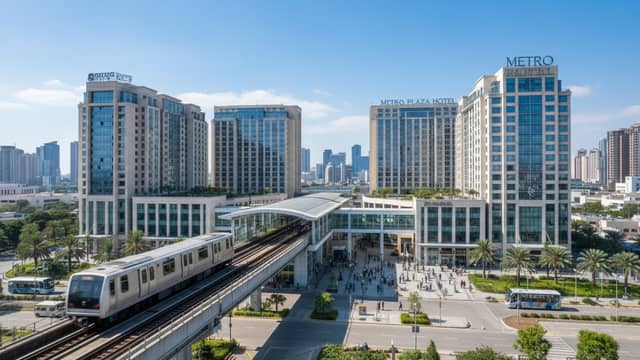
Metro accessible hotels offer convenience for business and leisure travelers. This article explains what 'metro accessible' means, who benefits most, and what hidden pitfalls to avoid.
Cultural district hotels attract 42% more demand for immersive stays. This article examines authenticity claims, gentrification effects, and the actual value of cultural district hotels.
Hotels downtown often mislead with glossy photos and hidden costs. This article explains the myths, real expenses, and practical strategies for booking city-center stays wisely.
A central location can remove transport costs and travel time when most of your plans are within walking distance. It usually costs more per night and can be noisier, so the value depends on how much of your trip actually happens downtown.
Look at whether a shuttle is included and how often it runs, since a short distance on a map can still mean an awkward transfer. Parking terms matter too if you are leaving a car during a trip, as does the real travel time to the terminal rather than the stated mileage.
Proximity search and distance calculators often measure straight-line distance rather than the walking or driving route. Rivers, motorways, hills and one-way systems can turn a short measured distance into a long practical journey.